
UK ETA + Europe’s ETIAS Explained: What Travellers Need to Know
Planning a trip to the UK or Europe? In 2026, travel to the UK and Europe is changing. Many visitors will need new travel authorisations before boarding a flight, a train or a boat to enter the UK or Europe.
The UK will require an ETA whilst travellers to Europe will need an ETIAS. These are pre-screening security checks, not visas, but you must have an ETA or ETIAS arranged before arrival.
Here’s what you need to know and where to apply safely.

What is the UK ETA?
From 25th February 2026 onwards, the Electronic Travel Authorisation (ETA) is a new requirement for visitors from visa-waiver countries (including the USA, Australia, Canada, New Zealand, and others). It is not a visa but a pre-arrival screening system designed to improve security at border patrol.
- Who needs it? Travellers visiting the UK from 85 countries that currently don’t require a visa. If you are travelling as a family or in a group, each traveller will need an ETA.
- Who doesn’t need it? UK and Irish citizens, or travellers who already hold a valid UK visa to live, work or study in the UK. You do not need an ETA if you are transiting through a UK airport and will not cross border control.
- Processing time: Up to 3 working days
- Validity: Up to two years or until your passport expires. Note that although the ETA is valid for two years, your stay in the UK must not exceed 6 months.
⚠️ Important: Only apply via the official UK Government site or app. There are many scam websites charging extra fees.
What does an ETA allow me to do?
An ETA allows you to visit the UK for tourism, for short-term study or for visiting family for up to 6 months.
You’ll also need an ETA if you want to come to the UK on a Creative Worker visa concession or for a paid engagement.
If you’re visiting the UK for any other reason such as long-term study or a job, you will need a visa instead.
An ETA does not allow you to work, get married, live in the UK, claim government benefits or stay longer than 6 months.
It’s essential to note that an ETA does not automatically guarantee entry into the UK.
Do I need an ETA if I have dual citizenship?
This is where it gets more complicated – and unfortunately, for some, more expensive and time consuming.
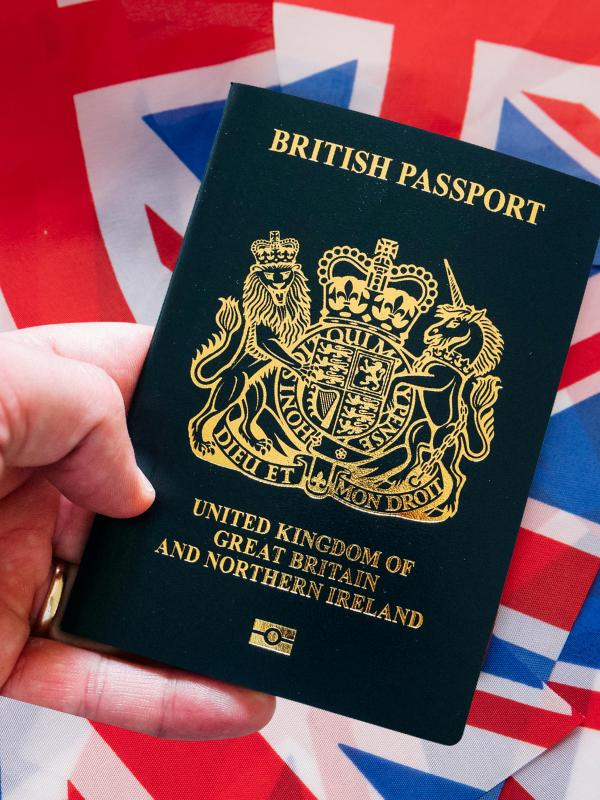
From 25th February 2026, you cannot get an ETA if you have either dual British citizenship or dual Irish citizenship and do not hold a valid British or Irish passport.
If you are a dual British citizen but don’t have a British passport and travel on a passport issued by another country, you will need a Certificate of Entitlement.
What do I need if I have dual citizenship but do not have a British passport?
If you are a dual British citizen and do not have a valid British (or Irish) passport you will need to get a certificate of entitlement (COE) when travelling to the UK.
For example, if you hold British citizenship but travel on a US or Australian passport you will need a Certificate of Entitlement which is stuck into your passport. You will not be eligible for an ETA.
The bad news is that a Certificate of Entitlement costs £589 and takes up to 3 weeks to process. Furthermore, when your non-UK passport expires, you’ll need to apply for another certificate.
As a British passport costs around £108, it will be cheaper to get a British passport for your trip rather than a Certificate of Entitlement. You just need to make sure you have the time to apply and the eligible paperwork. Note that passport prices vary according to which country you are applying from and whether you are applying for a renewal or a first time passport.
Dual British citizens who cannot produce a valid British passport or certificate of entitlement will need to have additional identity checks when you arrive in the UK. You will not be allowed to pass through UK passport control until your British nationality is verified. If you don’t have the necessary paperwork or pass the checks, you will not be allowed in.
Make sure you avoid unnecessary and stressful time delays by arranging a Certificate of Entitlement or a British passport before travelling to the UK.
Can I get into the UK with the right to abode?
If you have the right to abode, you do not need an ETA to travel to the UK if you travel on a British passport.
All UK citizens, whether you have dual citizenship or not, have the right to abode in the UK. If you are a commonwealth citizen you may have the ‘right to abode’ in the UK.
Some commonwealth citizens have the right to abode if –
- either of your parents was born in the UK or was a UK citizen when you were born or adopted
- you were a Commonwealth citizen on 31 December 1982
- you did not stop being a Commonwealth citizen after 31 December 1982
- if you’re a female Commonwealth citizen married to someone with right of abode before 1 January 1983. The right to abode via marriage is complicated so check here if you’re eligible.
You can only prove you have right of abode if you have a UK passport which describes you as a British citizen or as a British subject with right of abode.
How do I apply for an ETA?
Apply online here on the UK government website or through the UK ETA app.
You’ll need a valid passport, a credit or debit card (or Apple or Google pay) and recent passport style photos.
An ETA costs £16 (as of Jan 2026). The fee is non-refundable.
What is ETIAS for Europe?
The European Travel Information and Authorisation System (ETIAS) is similar to the UK ETA, but applies to the 30 European countries in mainland Europe including the 27 countries in the Schengen area. It is expected to launch in the last quarter of 2026.
Visitors from 60 visa-waiver countries (including the USA, Australia, Canada, New Zealand, and others) will need an ETIAS even if you are just visiting on a layover and plan to leave the airport.
Like the UK ETA, an ETIAS is not a visa but a security screening system designed to improve border control by knowing who you are before you arrive.
You will need an ETIAS even if you are a British citizen. An ETIAS is required for all forms of entry whether you arrive by plane, train, car or boat.
- Who needs it? Non-EU visitors from visa-waiver countries (including the US, Australia, Canada and NZ).
- Who doesn’t need it? EU citizens and those holding a Schengen visa.
- How to apply: Online through the official EU ETIAS website. You will need a valid passport (or other eligible travel document) which should not expire in less than three months and which should not be older than 10 years. You must have a biometric passport to apply for an ETIAS.
- Cost: €20 (2026 prices). The good news is that travellers under 18 or over 70 are exempt from this fee. You are also exempt if you are a family member of an EU national and you qualify for family member status .
- Validity: Up to 3 years or until passport expiry.
- Processing time: Up to 4 days but the official website warns it could take up to 14 days.
What am I entitled to with an ETIAS?
An ETIAS provides pre-screening for travel to 30 European countries for up to 90 days in any 180-day period.
It’s essential to note that an approved ETIAS does not guarantee entry or entitle you to work in any of the countries in the ETIAS scheme.
ETA vs ETIAS: Key Differences
| Feature | UK ETA | ETIAS (EU) |
|---|---|---|
| Covers | United Kingdom only | 30 Schengen countries |
| Who needs it | Visa-waiver nationals visiting the UK | Visa-waiver nationals visiting Schengen Europe |
| Cost | £16 | €20 |
| Validity | 2 years or until passport expiry | 3 years or until passport expiry |
| Apply | UK Gov website/app | Official ETIAS website or app |
| Processing time | Up to 3 working days | Up to 4 days |
FAQs
Final Tips
- Always apply through the official websites linked above. Avoid third-party “application services” as you’ll end up paying more than you need to.
- Double-check that the passport you’re travelling on is valid for the whole trip.
- Make sure you apply carefully. If your passport and ETA/ETIAS details do not match you will be refused entry.
- Once approved, your ETA or ETIAS is linked electronically to your passport.
- The EES (the new electronic EU entry/exit system which tracks travellers movements across Europe) was launched on 12 October 2025. It requires travellers to provide biometric information such as fingerprints and facial scans when entering and leaving European countries. The scheme is relatively new and is experiencing difficulties leading to long queues in some places. Whilst the scheme is being established, we advise building in extra time into your travel planning.
If you love getting passport stamps, you’ll be disappointed to discover that the EES will eventually replace the current system of manually stamping passports.
The new ETA, ETIAS and EES systems are designed to make travel safer and, in the long run, smoother. But it comes at a cost, both financially and in time.
Make sure you check the latest up-to-date information before you apply for your ETA and ETIAS – and don’t leave it until the day before you travel!
Plan Your Trip with Confidence
Important travel information disclaimer
Travel entry requirements can change at any time and may vary depending on your nationality, passport type, residency status, and individual circumstances. The information in this article is provided for general guidance only and reflects the rules and pricing available at the time of writing.
We are not immigration or legal advisers, and this article should not be treated as official government or legal advice. Always check the latest entry requirements and application processes directly with the official UK Government and European Union websites before booking travel or submitting applications.
We cannot accept responsibility for changes to regulations, processing times, fees, or entry decisions made by border authorities.