Haworth and the Yorkshire Dales: A 3-Day Itinerary
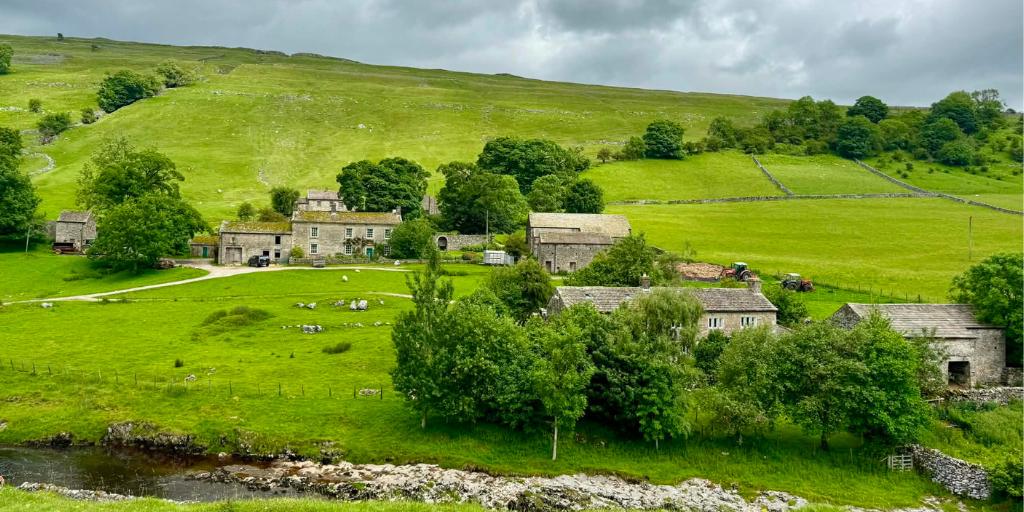
Three nights in Haworth with the cobbled Brontë village to return to each evening and the western Yorkshire Dales spread out within easy reach by day. We based ourselves here for 3 nights and built our days around two of the area’s great railway lines and some of its most photographed scenery.
What we liked about basing ourselves in Haworth was coming back to the same cobbled village each evening after the days exploring across the Dales – from a viaduct on open moorland to a limestone cove and a riverside priory.
Doug has travelled these lines before, so the rail notes below come from genuine experience. Here is how we spent three days from a Haworth base, stop by stop, with a map to show you the route.
The route at a glance
- A. Haworth (your base, with the Keighley and Worth Valley Railway)
- B. The Settle to Carlisle Line (Ribblehead Viaduct and Dent Station)
- C. Wensleydale Creamery, Hawes
- D. Grassington
- E. Malham Cove
- F. Bolton Abbey
Days 1 to 3 itinerary
- Day 1 – (A) In and around Haworth,
- Day 2 – The Dales loop (B) Ribblehead Viaduct and Dent Station, (C) Wensleydale Creamery, (D) Grassington)
- Day 3 – (E) Malham Cove and (F) Bolton Abbey.
Day 1 Itinerary
Haworth
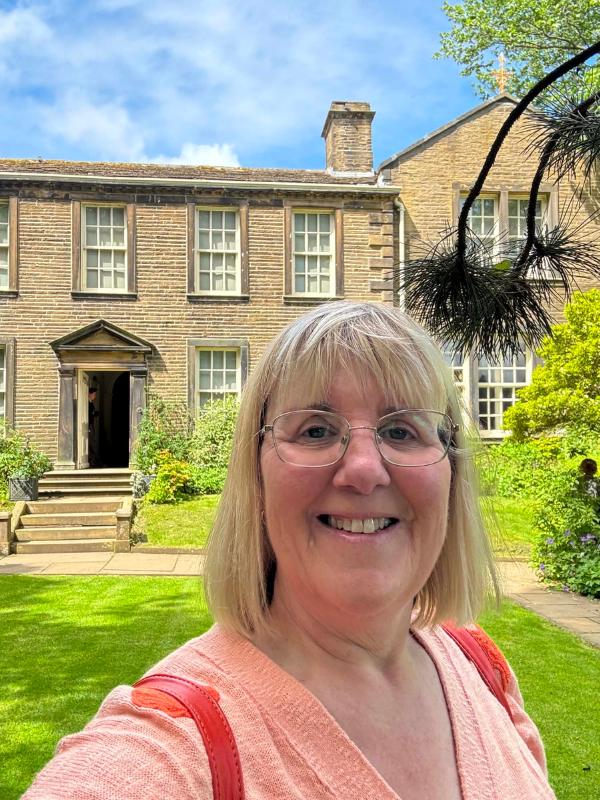
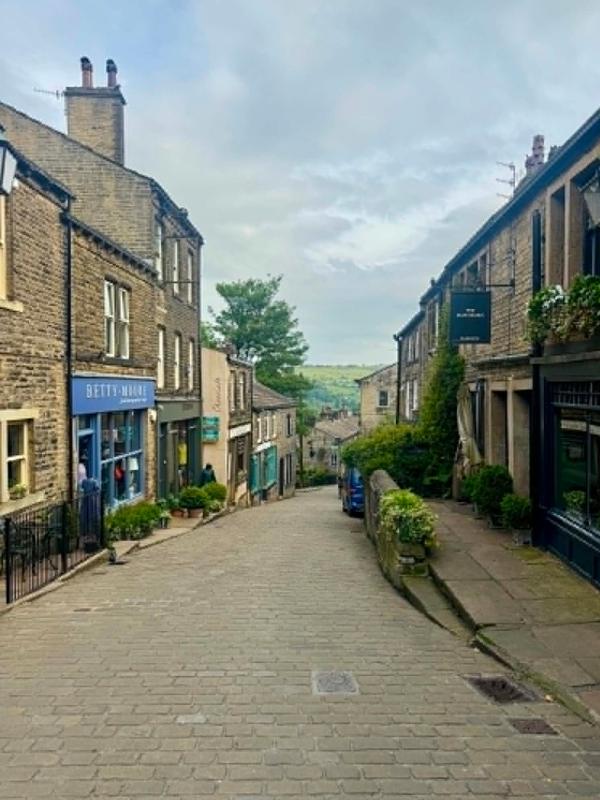
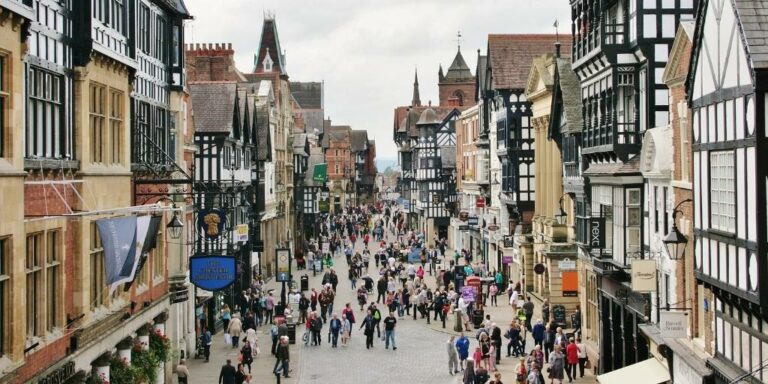
Haworth sits on a steep cobbled hill above the Worth Valley, and it is the reason to base yourself here rather than passing through. The Brontë Parsonage at the top of the village was home to Charlotte, Emily and Anne.
The street below it is lined with independent shops, tearooms and stone frontages that have barely changed in a century. We gave it a full day.
The Keighley and Worth Valley Railway runs a heritage steam and diesel service right through the village. Unfortunately our visit did not coincide with the train service but as Doug had experienced it before we took the opportunity to spend longer exploring Haworth.
What to look out for:
- The Brontë Parsonage Museum, the family home at the top of the village (adult £15, over-65s £13, general concession £9, teens 12 to 16 £7.50, and children 11 and under free as part of a family group)
- Main Street’s independent shops, sweet shops and tearooms
- The Keighley and Worth Valley Railway, with Haworth its main station
- The walk up onto the moors towards the Brontë Waterfall and Top Withens
- St Michael and All Angels Church and the Brontë graves (the location of the graves is in a corner of the church so you will need to go into the Church itself)
Tracy’s tip: The Parsonage is closed on Tuesdays so plan your visit accordingly! Also the walk up the main street is steep and cobbled so take care walking up. There is a car park near the museum if you prefer to avoid the climb up the hill.
Day 2 Itinerary
Stop 1 – The Settle to Carlisle Line
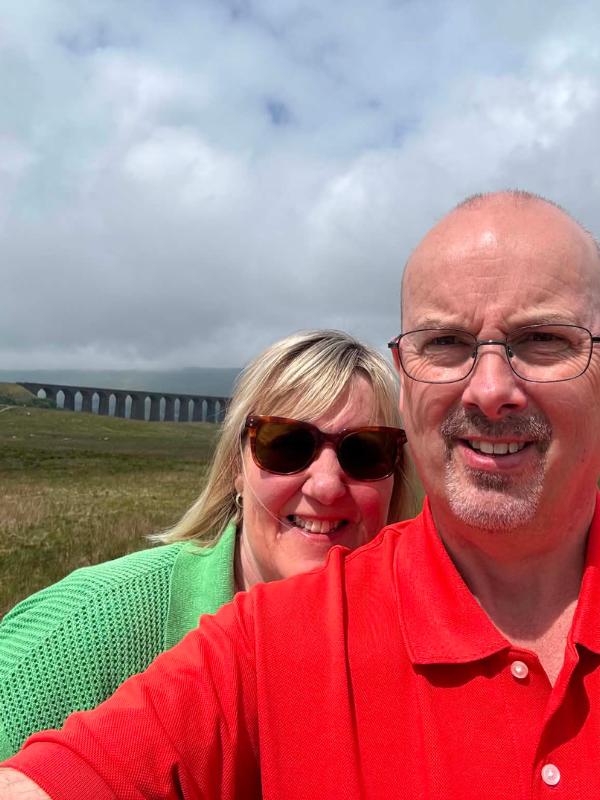
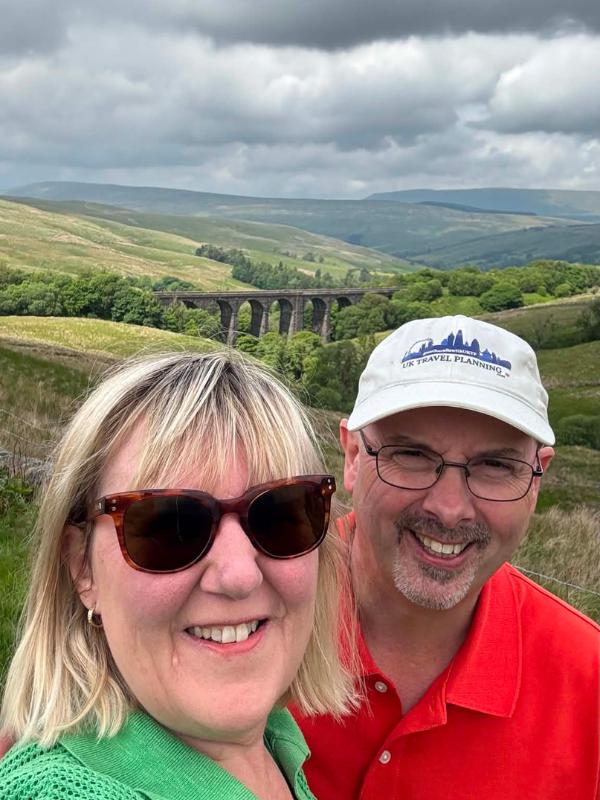
The Settle to Carlisle line is one of the most scenic stretches of railway in England, and two of its landmarks sit close enough together to take in across a morning.
The Ribblehead Viaduct strides over Batty Moss on twenty-four stone arches, with Whernside rising behind it. A few miles on, Dent is the highest mainline station in England, set well above the village it is named after, with views that make the climb up to it worthwhile.
What to look out for:
- Ribblehead Viaduct, twenty-four arches across Batty Moss
- Whernside, one of the Yorkshire Three Peaks, rising behind the viaduct
- Dent Station, the highest mainline station in England at around 1,150 feet
- The option to ride a stretch of the line rather than drive to the viewpoints
- Sturdy footwear, as the ground around Ribblehead is open moorland
Doug’s note: If taking the Settle to Carlisle line which crosses the viaduct sit on the left hand side of the train (travelling from Leeds to Carlisle) It only just edges it on scenery! If you decide to visit the viaduct make sure to hang around to see a train cross – it is quite a sight!
Stop 2 – Wensleydale Creamery, Hawes

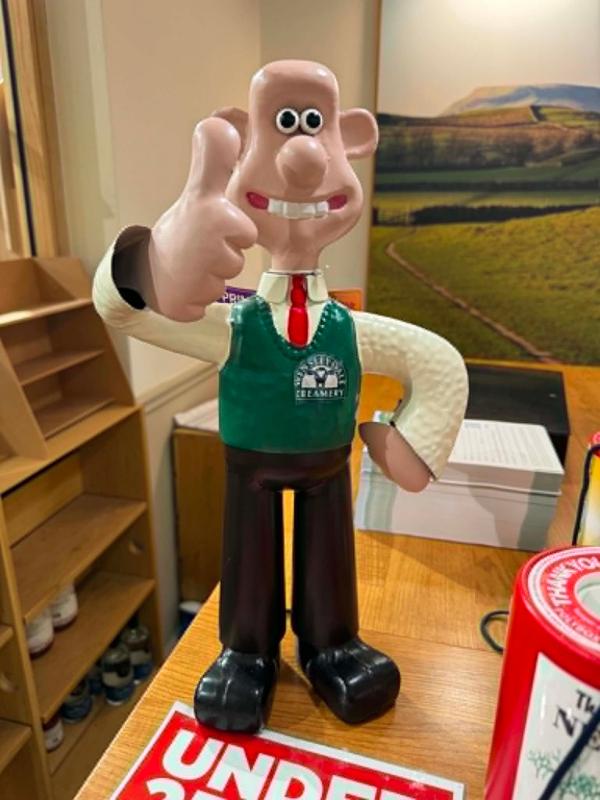
Hawes is the market town at the head of Wensleydale, and the Wensleydale Creamery on its edge is where the crumbly white cheese has been made for well over a century.
There is a visitor centre with a viewing gallery over the production, a cheese shop for tasting, a restaurant and a café. It makes an easy, sheltered stop between the open moorland of the morning and the green dale scenery of the afternoon and the perfect stop for lunch.
What to look out for:
- The viewing gallery over the cheese-making floor
- The tasting counter and cheese shop
- Wensleydale’s long association with Wallace and Gromit
- Hawes itself, one of England’s highest market towns, with Gayle Beck running through the centre
- The Dales Countryside Museum, a short walk away
Our pick: Do not miss the cheese themed afternoon tea – we enjoyed it so much we returned to have it a second time!
Stop 3 – Grassington
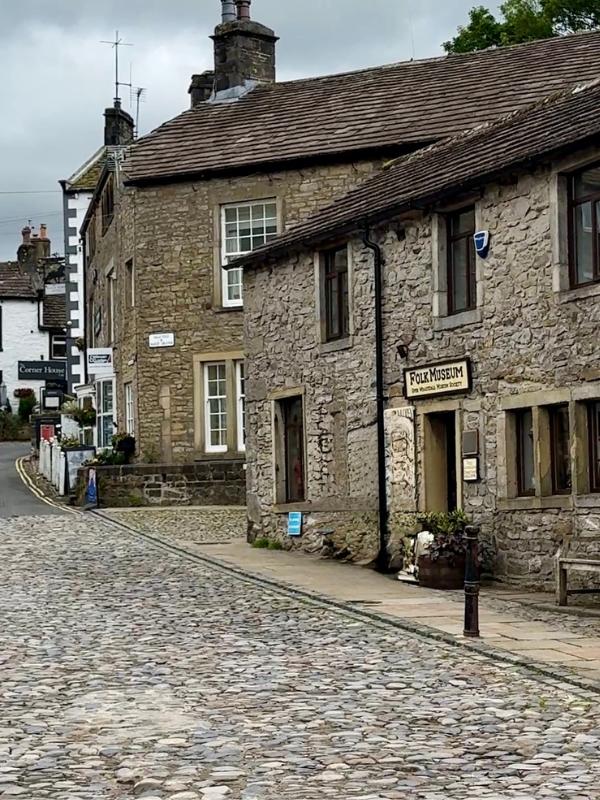
Grassington is the village that features as Darrowby in the recent vesrion of All Creatures Great and Small, and its cobbled square and stone cottages are instantly familiar if you have watched it.
Beyond the television connection it is a lovely Dales village in its own right, on the River Wharfe, with independent shops and walks straight from the square. It makes a gentle close to the first full day of touring.
What to look out for:
- The cobbled square used as Darrowby in All Creatures Great and Small
- Independent shops, galleries and tearooms around the square
- Riverside walks along the Wharfe towards Linton Falls
- The filming-location corners fans recognise from the series
- Parking can be difficult as the village centre is small. We recommend heading up the hill where there is parking a short walk from the centre of the village.
Best for: fans of All Creatures Great and Small! Pop into the Stripey Badger Bookshop and Cafe and check out the photos of the stars taken when filming in the village.
Day 3 Itinerary
Stop 1 – Malham Cove
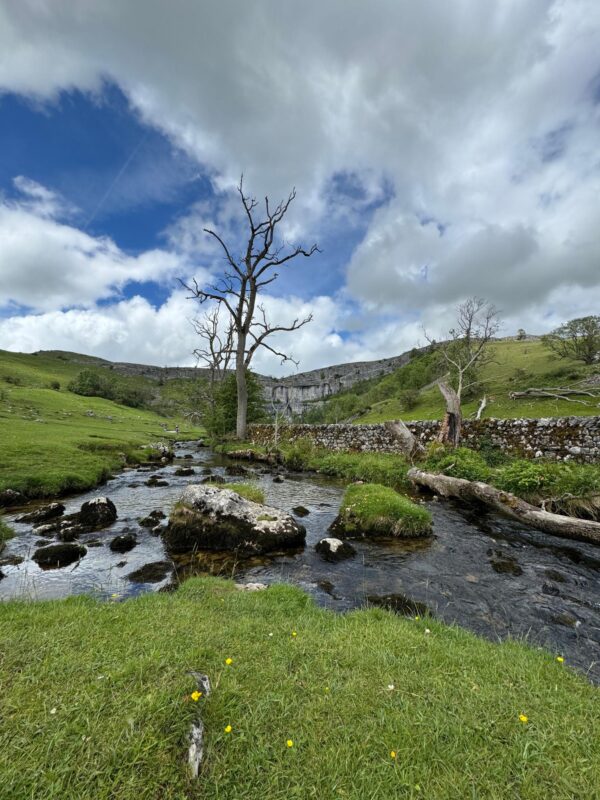
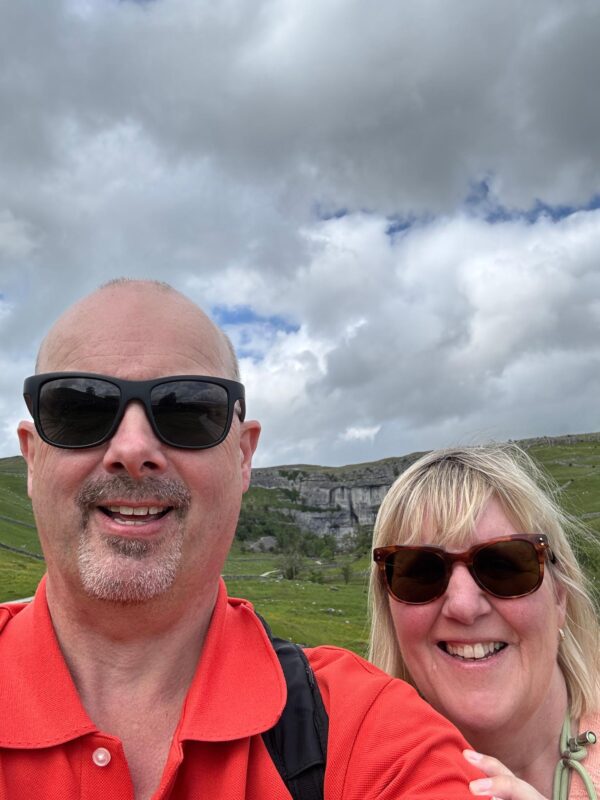
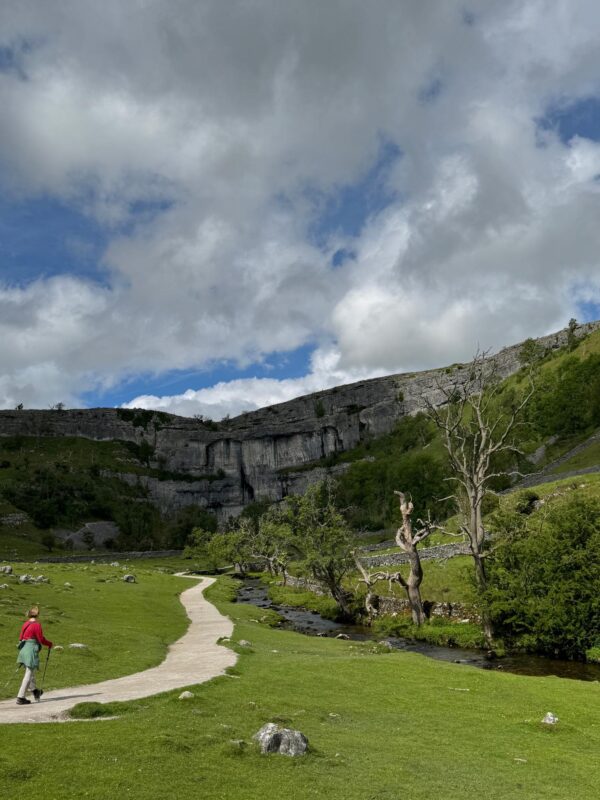
Malham Cove is a great curving wall of limestone almost 80 metres high, shaped by a waterfall and ice age meltwater, with a limestone pavement across the top.
The walk up the steps beside it is steep but short, and the view back down the valley from the top is one of the finest in the Dales. Harry Potter fans will recognise the pavement as the spot where Harry and Hermione camped in the Deathly Hallows.
What to look out for:
- The curved limestone face of the cove, almost 80 metres high
- The limestone pavement on top, seen in Harry Potter and the Deathly Hallows
- The steps up the side of the cove, steep but worth the climb
- Malham village, with cafés and the national park centre
- Sturdy footwear, as the pavement can be slippery when wet
Stop 2 – Bolton Abbey
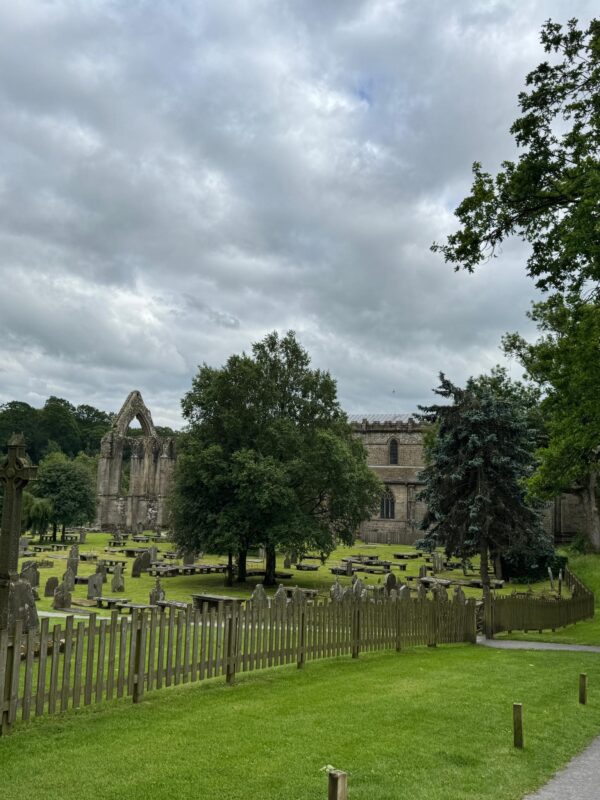
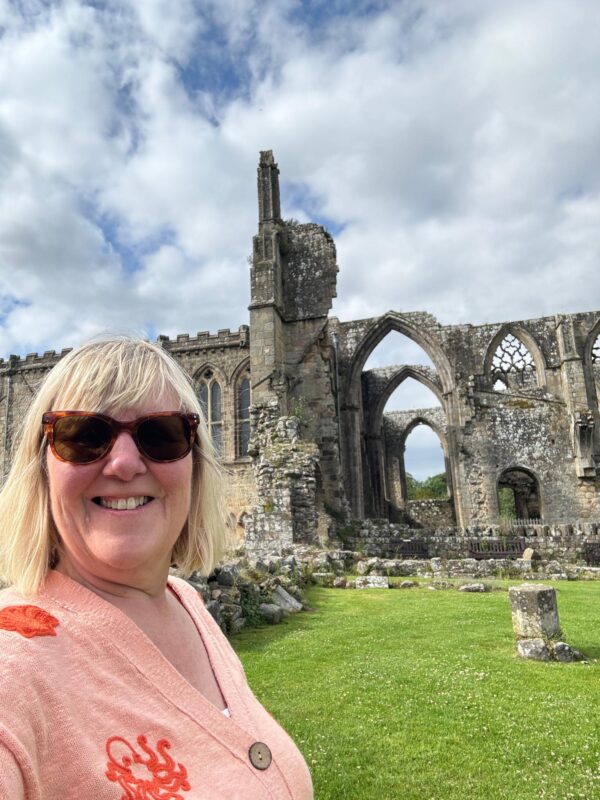
Bolton Abbey is an estate in Wharfedale built around the ruins of a 12th-century priory, with the River Wharfe running through it. The stepping stones across the river beside the priory are a Yorkshire institution, and the woodland walks upstream lead to the Strid, where the Wharfe narrows dramatically. It is a relaxed final stop, more about riverside walking and the setting than ticking off a single sight.
What to look out for:
- The ruins of Bolton Priory beside the river
- The stepping stones across the Wharfe, with a bridge alongside for anyone who would rather not
- Riverside and woodland walks up to the Strid
- Estate parking, which covers the day is not free – check up to date prices here
- The tearooms and the Cavendish Pavilion for lunch
Getting around
This itinerary works best with a car, since the stops sit across a wide spread of the western Dales and the roads between them are part of the pleasure. Haworth to the Ribblehead area is roughly an hour and a quarter, and the rest of the loop links up on Dales roads, some of them narrow with passing places. The mileage flatters the journey, so it is worth allowing more time.
For the railway, Doug’s notes above cover the Keighley and Worth Valley line through Haworth and the Settle to Carlisle line at Ribblehead and Dent. If you would like to plan the rail parts properly, our Guide to UK Train Travel walks through tickets, railcards and reservations, and the 30-Minute Q&A with Doug is there for specific questions about routes like these.
🚗 🚙 Learn to Drive Confidently in the UK with Tripiamo
Tripiamo equips travellers with the essential knowledge needed to drive confidently in the UK.
Unlike a GPS, Tripiamo offers comprehensive driving guidance tailored specifically for the UK, crafted by travel experts and validated by local driving schools and instructors. This ensures you receive reliable and extensive information for driving in the UK.
Whether navigating city streets or rural roads, Tripiamo prepares you with the skills and confidence needed to drive safely and correctly.
Where to stay
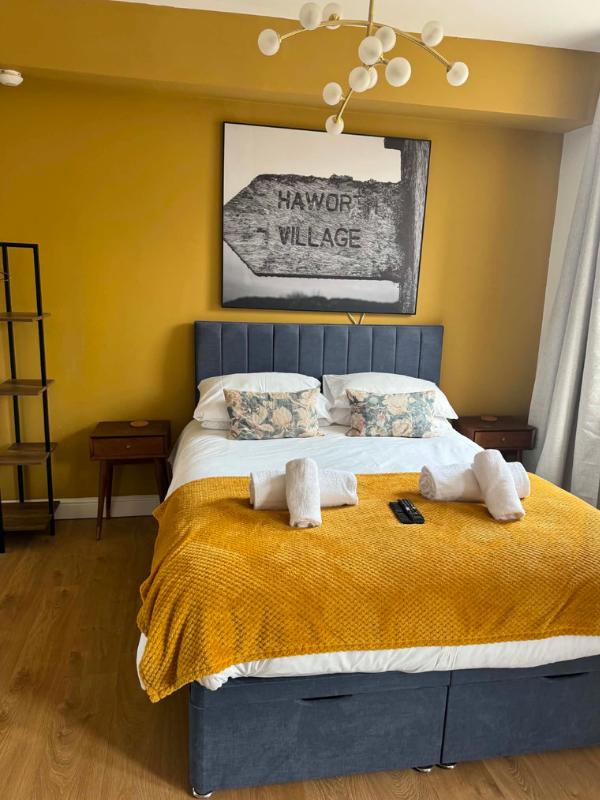
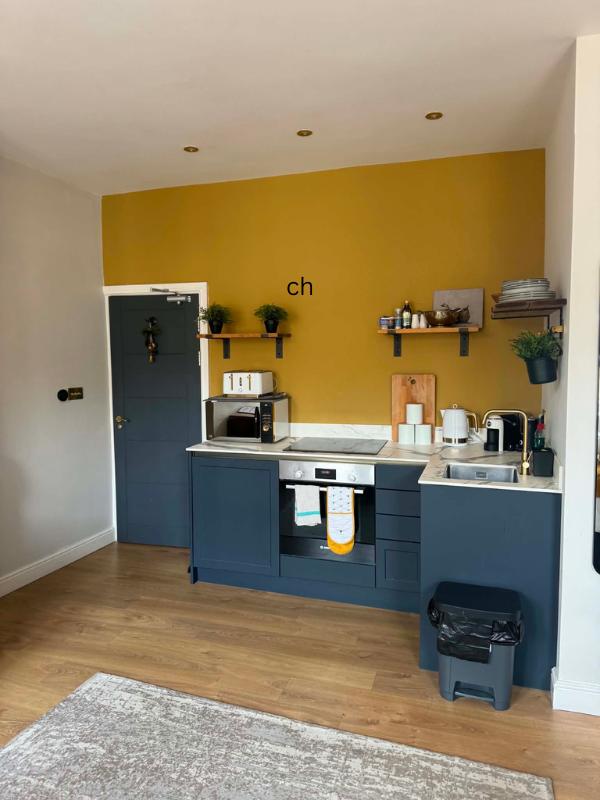
We based ourselves in Haworth for the three nights, which kept the Brontë village on the doorstep each evening and put the Dales within a comfortable drive by day.
We chose a self catering apartment which was located near the train station. The apartment was well equipped with everything we needed. While there was no dedicated parking we were able to park within a few minutes walk each day.
Find out more about Haworth Heights – Bronte Country apartment where we stayed.
Skipton and Settle are sensible alternatives if Haworth accommodation is fully booked as both have good road links into the Dales.
Listen to the episode
Episode #208 – Northern England Road Trip: Yorkshire Dales, the Lake District and County Durham
![Things to do on Holy Island [Lindisfarne] + tips to plan your visit](https://uktravelplanning.com/wp-content/uploads/2024/07/Lindiasfarne-Holy-Island--768x384.jpg)