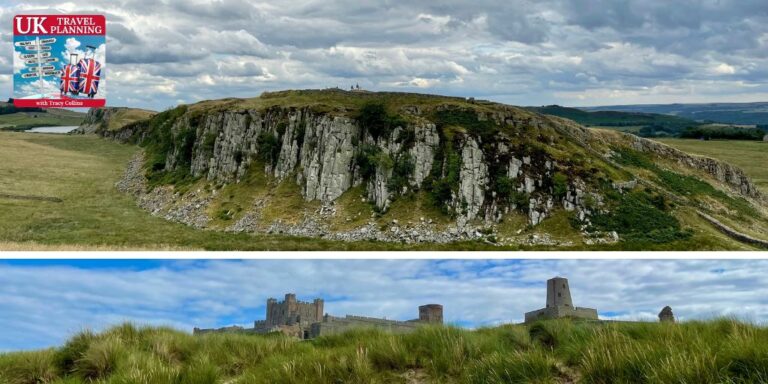
7-day North East England road trip
Do you have a week and a hire car, and want to see the best of North East England on one road trip? This route takes you from Edinburgh down the Northumberland coast to Holy Island and Bamburgh, across to Hadrian’s Wall, and on to Durham and Beamish.
The tricky part is the order. The causeway to Holy Island floods twice a day, Alnwick Castle is shut from late October to late March, the Wall is an hour inland from the coast, and driving into Durham’s old centre costs £5 a day, so the order of the days matters.
I grew up on the Northumberland coast at Seaton Delaval, so this corner of England is home ground for me.
This guide covers seven days by car with three bases: Alnwick for two nights, Hexham for two and Durham for two. That’s about 250 miles of driving, finishing with a train home from Durham.
Each day includes the route, drive time, what to see, where to eat, and where to park; after the route, it lists places to stay with parking and the best time to go. If you have more time, our 10-day North East England itinerary adds Warkworth, Newcastle, and more time on the coast.
Good to know: check the Holy Island safe crossing times before you fix the order. If the tide is wrong on Day 1, swap it: do Bamburgh and Seahouses first and Holy Island on the morning of Day 2.
TIP: we’d book the hire car as early as possible, especially if you’d like an automatic. Discover Cars compares the main hire firms side by side, including one-way hires from Edinburgh to Durham or Newcastle. Check the one-way fee before you book.
Last updated: November 2026
Your 7-day North East England road trip on a map
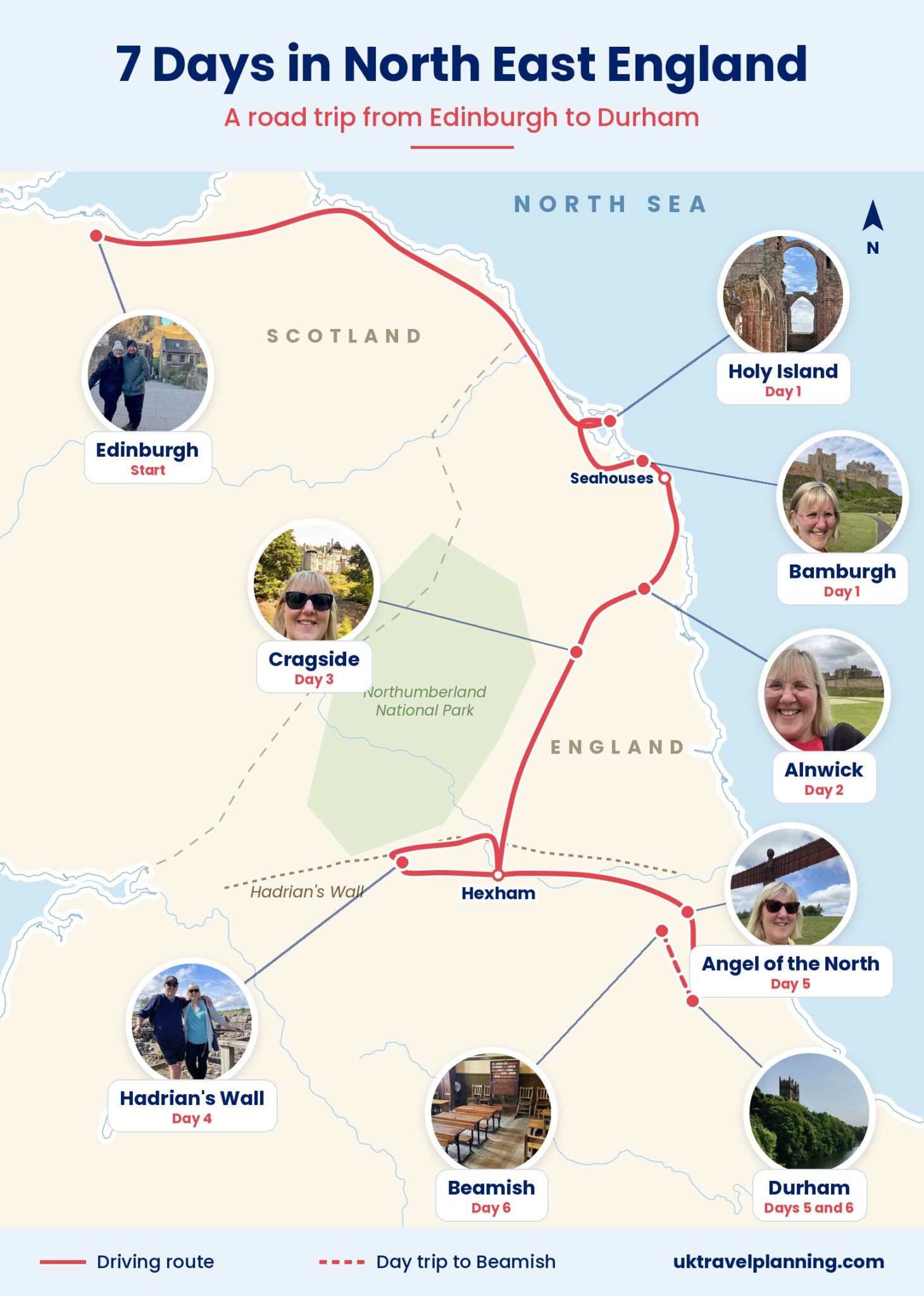
- Days 1 and 2, Alnwick (2 nights): the coast, Holy Island, Bamburgh, Alnwick Castle and Garden.
- Days 3 and 4, Hexham (2 nights): Cragside on the way, then Hadrian’s Wall.
- Days 5 and 6, Durham (2 nights): the Angel of the North on the way, the cathedral and castle, then Beamish.
- Day 7: drop the car and take the train home from Durham.
The road trip, day by day
Day 1: Edinburgh to Alnwick along the coast
Route: the A1 south, off at Beal for the causeway, then Bamburgh, Seahouses and down to Alnwick. About 105 miles, or 2.5 to 3 hours of driving, so it’s a full day.
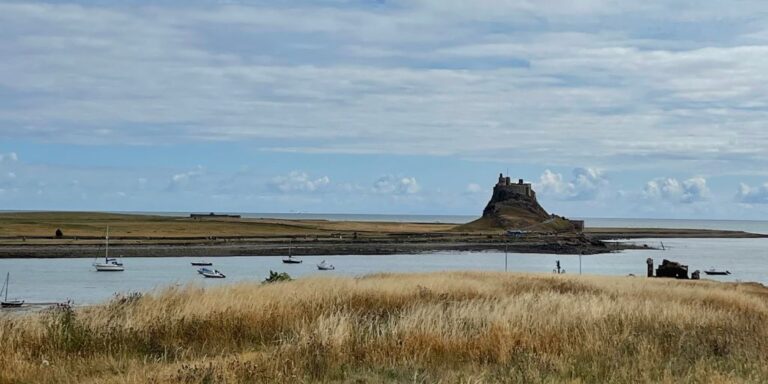
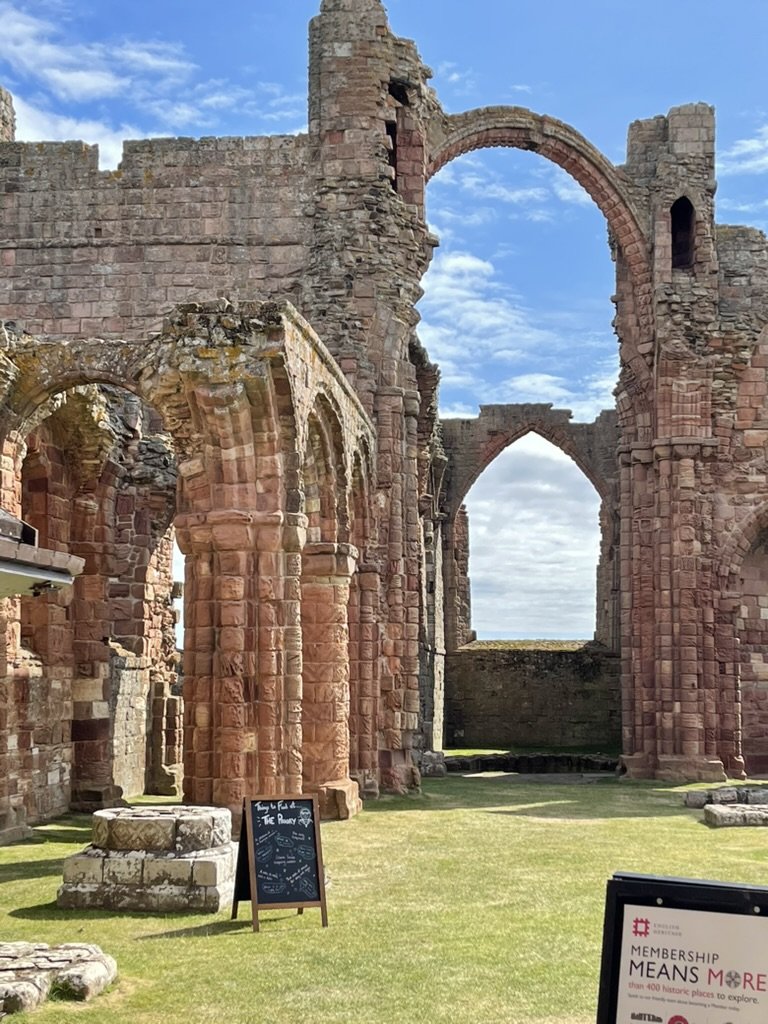
- Holy Island (Lindisfarne): St Aidan came from Iona and founded a monastery here in 635. St Cuthbert lived here, the Lindisfarne Gospels were made here, and the Viking raid of 793 shocked all of Christian Europe. See the red sandstone ruins of Lindisfarne Priory and its little museum, St Mary’s Church next door, and Lindisfarne Castle, a Tudor fort that Edwin Lutyens turned into a holiday home. Our Holy Island guide has more.
- Lindisfarne Mead: free tastings at St Aidan’s Winery in the village.
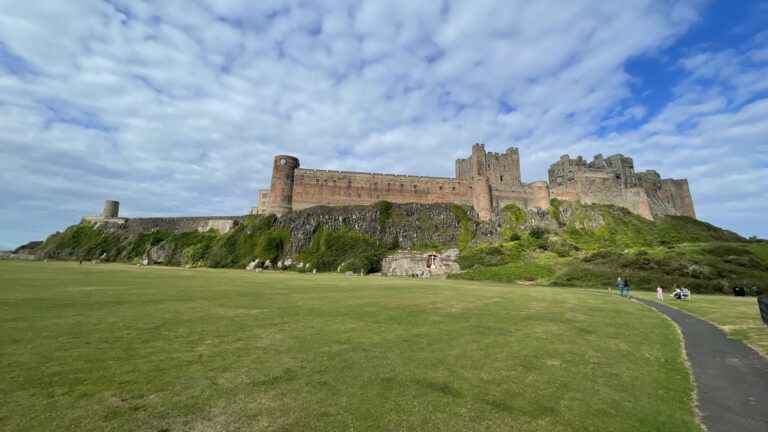
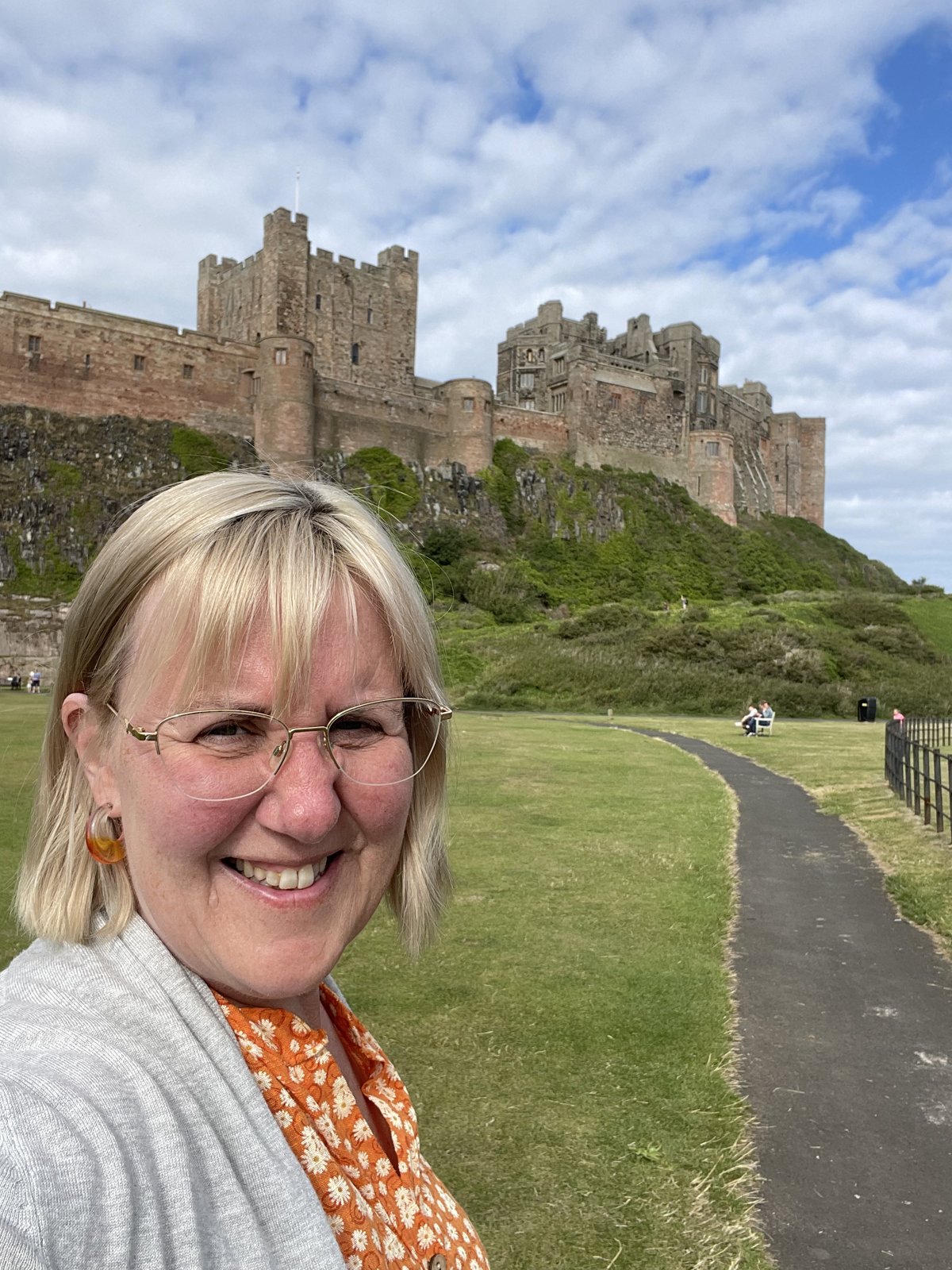
- Bamburgh Castle: the seat of the old Kings of Northumbria. In 1464 it was the first castle in England to fall to cannon fire. Lord Armstrong, who built Cragside, bought it in 1894, and his family still live there. Walk down through the dunes afterwards for the classic view from the beach.
- Grace Darling: in 1838 she and her father rowed out from the Longstone Lighthouse in a storm and rescued nine survivors of the wrecked SS Forfarshire. The RNLI Grace Darling Museum in Bamburgh is free, and her grave is in St Aidan’s churchyard across the road.
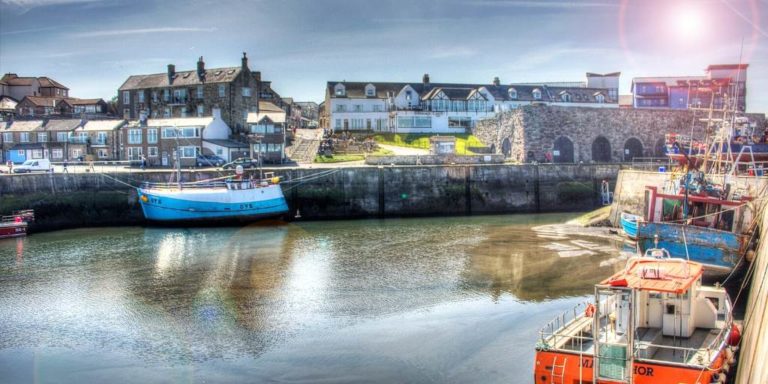
- Seahouses: a fishing harbour with fish and chips, and the boats out to the Farne Islands for puffins (May to July) and grey seals all year.
Park: the pay and display car park on the edge of the village on Holy Island, as cars can’t go into the village itself. Bamburgh Castle has its own car park, paid separately from your ticket. In Seahouses, park in the pay and display opposite the harbour.
Day 2: Alnwick Castle, The Alnwick Garden and Barter Books
Route: no driving, as everything is in town. Allow 3 to 4 hours for the castle and 2 to 3 for the garden.
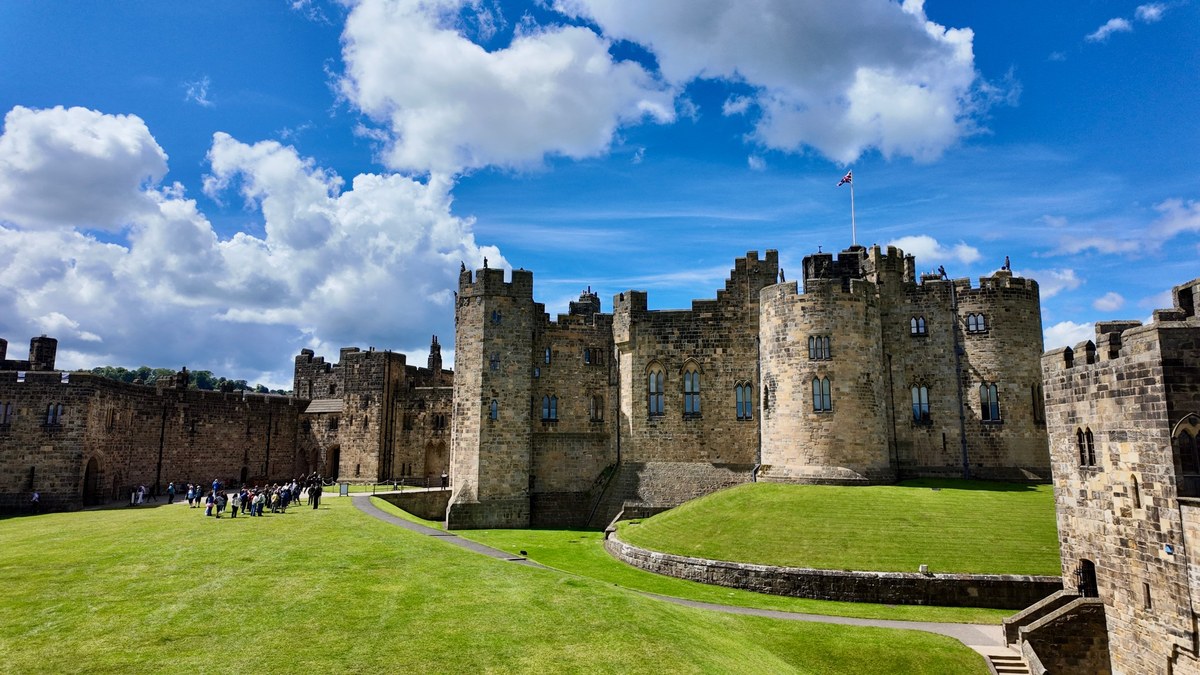
- Alnwick Castle: home of the Percy family since 1309, and still lived in by the Duke and Duchess of Northumberland. It was Hogwarts in the first two Harry Potter films, and you can do broomstick training in the Outer Bailey where Harry had his first flying lesson. Inside are the State Rooms, done in Italian Renaissance style. Online tickets work as an annual pass. It’s open from late March to late October.
- The Alnwick Garden: a separate attraction with its own ticket. The Duchess turned a derelict walled garden into the Grand Cascade, a rose garden, a bamboo labyrinth and a cherry orchard, and there’s the Treehouse restaurant too.
- The Poison Garden: inside The Alnwick Garden, behind black iron gates, with around 100 plants that can kill. You can only go in on a guided tour of about 20 minutes, which you book with your garden ticket.
- Barter Books: one of Britain’s biggest secondhand bookshops, in Alnwick’s Victorian railway station. The original Keep Calm and Carry On poster was found here in a box of old books in 2000. Have lunch in the Station Buffet in the old waiting rooms.
Park: The Alnwick Garden car park serves the castle too, and Barter Books has its own car park. Our things to do in Alnwick guide covers the town in more detail.


Day 3: Cragside, then across to Hexham
Route: Alnwick to Rothbury, then over to Hexham. About 45 miles, or an hour and 10 minutes of driving, with most of the day at Cragside.
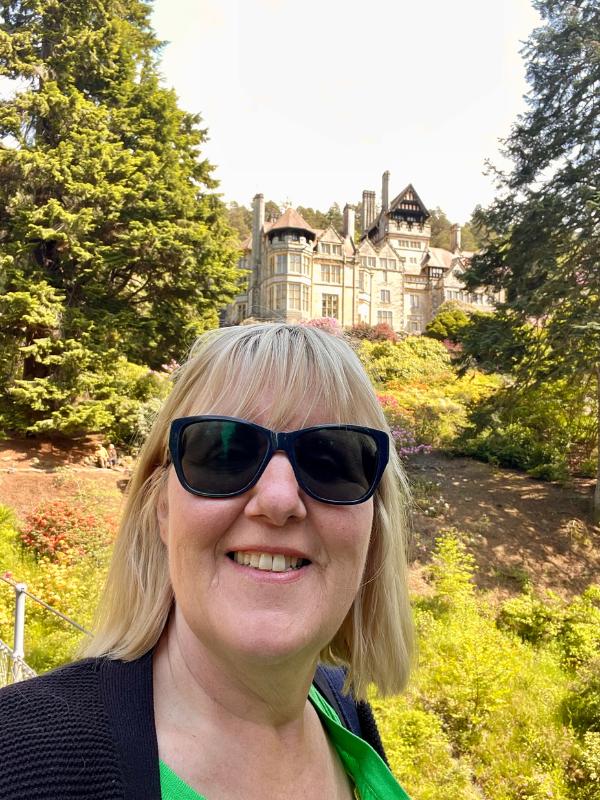
- Who built it: William Armstrong, the Newcastle engineer who invented the hydraulic crane and the Armstrong gun. He started with a small shooting lodge in 1863 as a weekend escape from industrial Newcastle, and it grew into the family home.
- The firsts: Cragside was the first house in the world lit by hydroelectricity. Water from the lakes also drove a hydraulic lift (a real help to the servants carrying coal and luggage between floors), a kitchen spit and an early dishwasher.
- The estate: he and his wife Margaret planted around seven million trees and shrubs and made five lakes. Drive the carriage drive afterwards and look out for red squirrels.
- Hexham: if there’s time in the evening, see Hexham Abbey, founded in 674, with a Saxon crypt built partly from Roman stone, and the Old Gaol, said to be England’s first purpose-built prison.
Park: car parks across the Cragside estate, with parking included in the ticket. The estate is big and hilly, so do the house first and then the drive.
Day 4: Hadrian’s Wall
Route: Hexham to Vindolanda and Housesteads, a walk along the Wall, then back to Hexham. About 30 to 35 miles, or an hour of driving, with a full day outdoors.
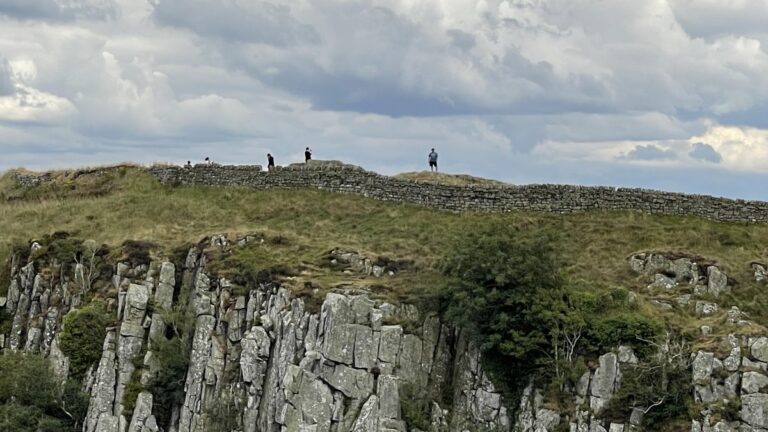
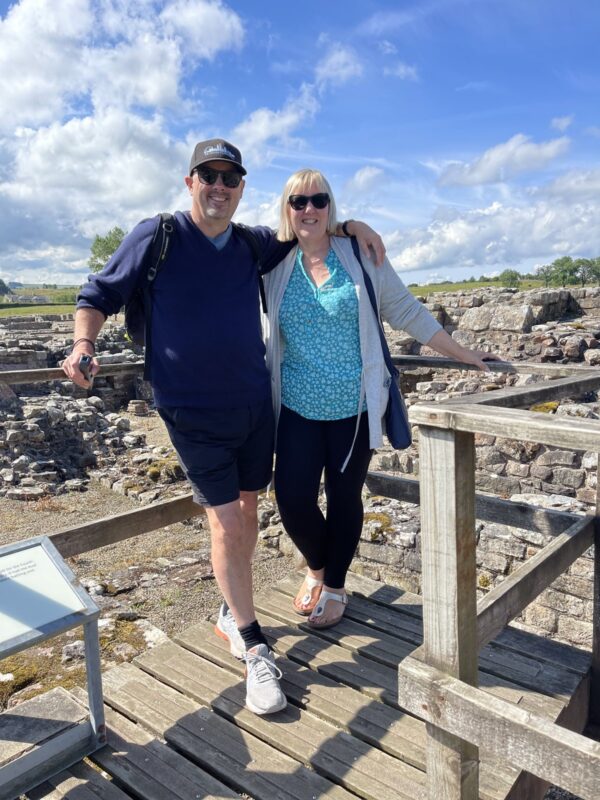
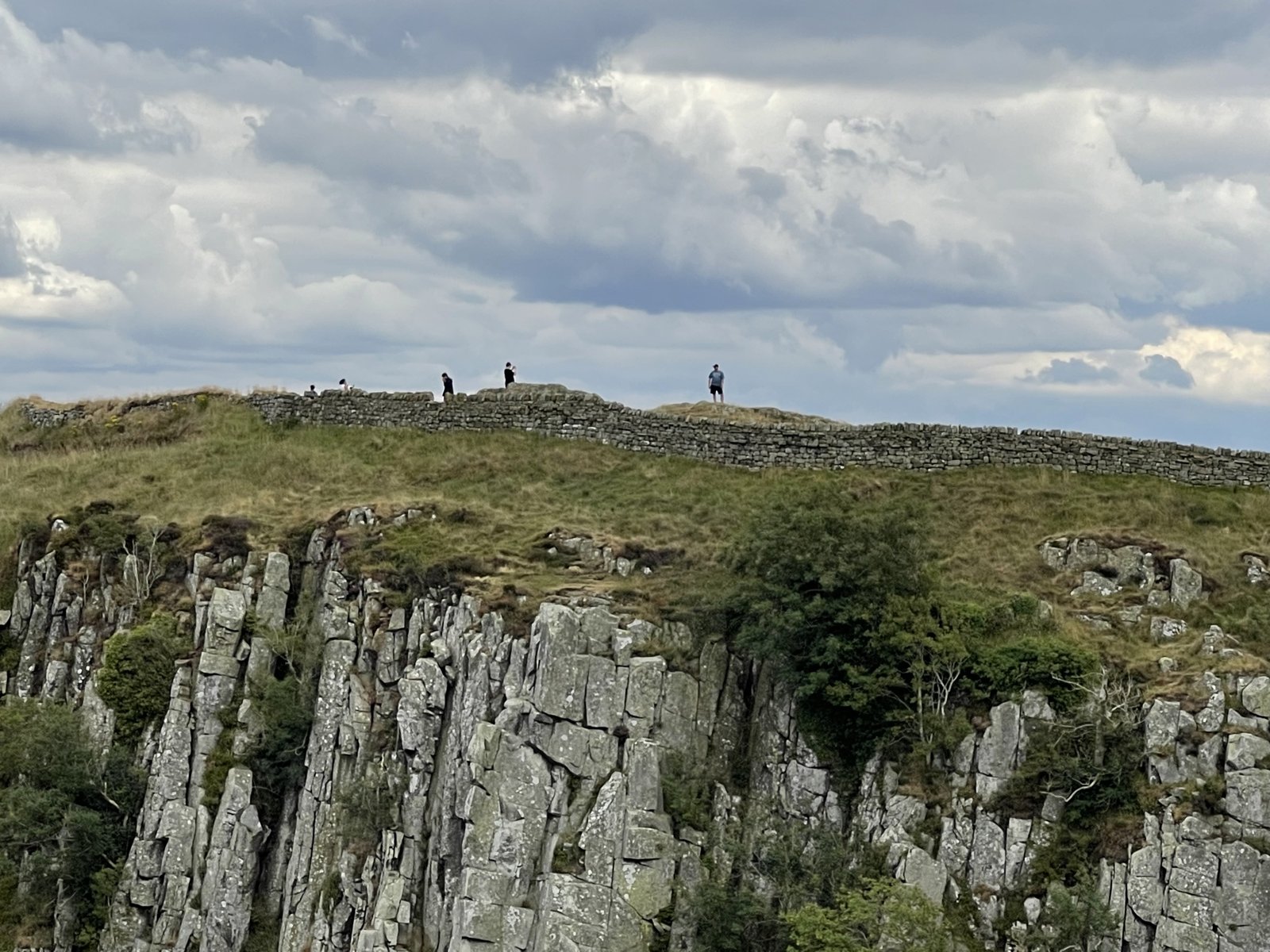
- Hadrian’s Wall: started in AD 122 and running 73 miles from coast to coast, it was the north-west frontier of the Roman Empire for nearly 300 years.
- Vindolanda: a fort older than the Wall, and still being dug every summer. The museum has the Vindolanda tablets: wooden postcards with letters on them, including soldiers asking for socks and a birthday party invitation from around AD 100. You’ll also see Roman shoes and a wooden toilet seat.
- Housesteads: the most complete Roman fort in Britain, high on the crags, with the best-preserved Roman toilets in the country. It’s a steep half-mile walk up from the car park.
- Walking the Wall: park at Steel Rigg and walk east along the Wall to Sycamore Gap, about a mile each way with steep ups and downs. Crag Lough is just beyond it if you want to go further. The famous tree was cut down in 2023, but the stump is still there.
Eat: the Vindolanda café at lunchtime, and the Twice Brewed Inn near Steel Rigg for dinner. We’ve stopped there.
No car? The AD122 Hadrian’s Wall Country Bus runs from Hexham along the Wall, stopping at Chesters, Housesteads, The Sill, Vindolanda and Haltwhistle. Our Hadrian’s Wall guide has the forts, the walks and the bus in more detail.
Day 5: Hexham to Durham via the Angel of the North
Route: the A69 east and the A1 south. About 42 miles, or an hour of driving, leaving the afternoon for Durham.
- The Angel of the North: Antony Gormley’s steel angel in Gateshead, put up in 1998. It’s 20 metres tall with wings wider than a Boeing 757, and it stands on the site of old colliery pithead baths, a nod to the region’s miners. There’s a free car park beside it, and 15 minutes is enough.
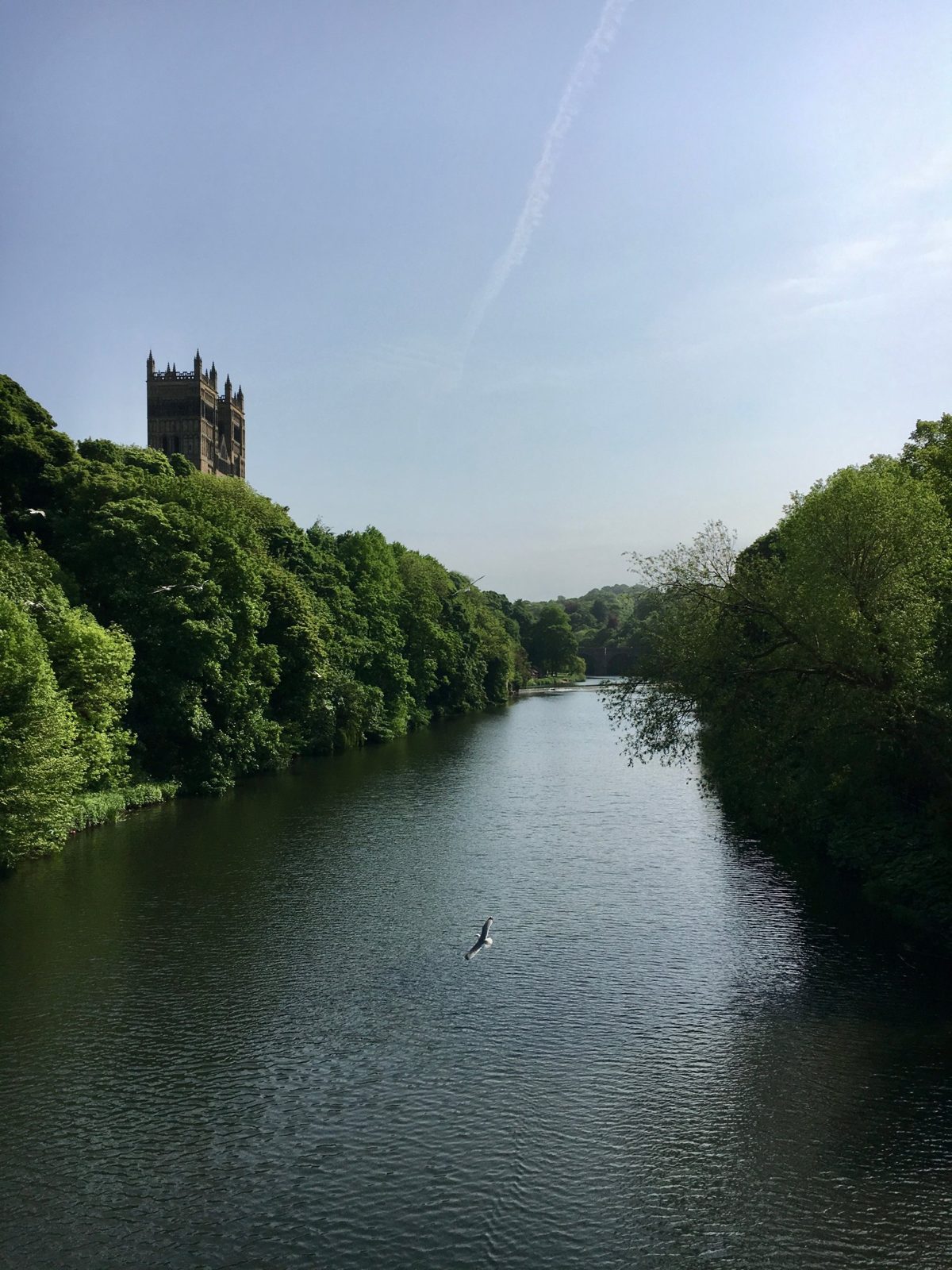
- Durham Cathedral: built from 1093, and one of the finest Norman buildings in Europe. See St Cuthbert’s shrine, the Holy Island link, and the tomb of Bede, the father of English history. Entry is free, with a charge for the tower, the tours and the Open Treasure museum.
- Durham Castle: begun in 1072 and home to the Prince-Bishops, who ruled the area almost like kings to guard the border with Scotland. It’s now a Durham University college and students still live there, so you can only visit on a guided tour.
- The riverside walk: the path round the peninsula to Prebends Bridge gives the classic view of the cathedral above the river.
Eat: Vennels Café, up an alley off Saddler Street, for its scones. We’ve eaten there.
Park: the cathedral and castle are in the road charge zone, so park at your hotel and walk, or use one of the three park and ride sites. Our Durham travel guide has the park and ride, the charge and the castle tours.

Day 6: Beamish, the Living Museum of the North
Route: Durham to Beamish and back, about 20 minutes each way. It’s a full day out.
- The 1900s Town: shops, a sweet shop, a bakery, a bank and a pub.
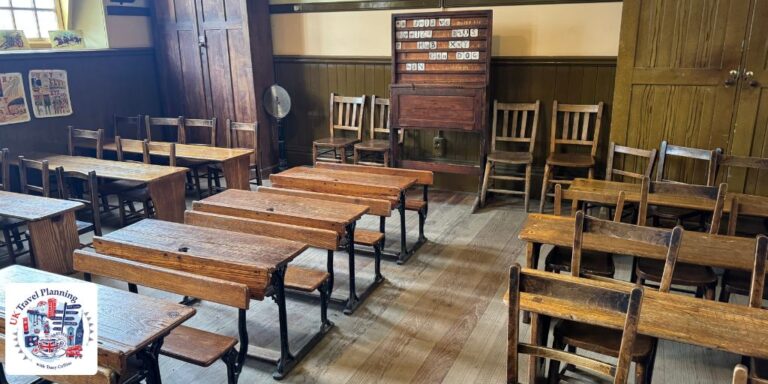
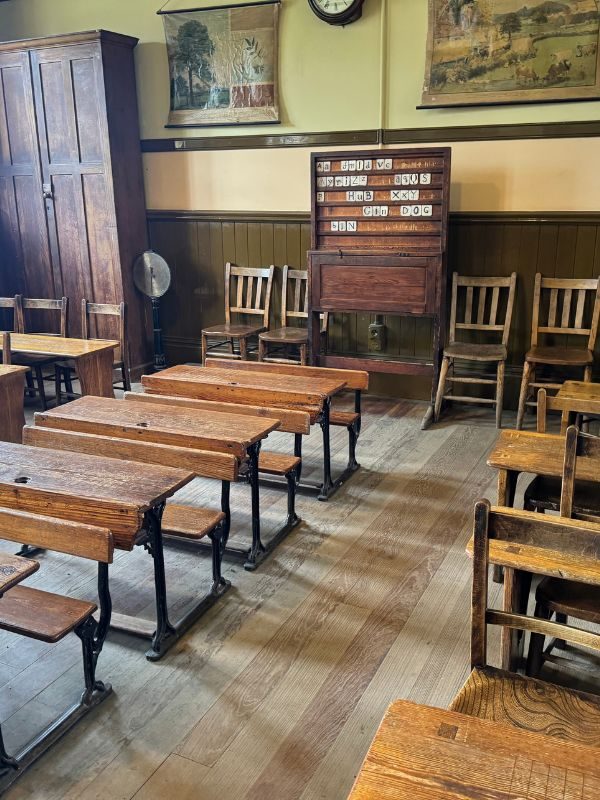
- The 1900s Pit Village: miners’ cottages, a chapel, a school, an underground tour of a real drift mine, and fish and chips from the fried fish shop.
- The 1820s: Pockerley Old Hall and the waggonway with its early steam engines.
- The 1940s Farm and the 1950s Town: wartime life on the farm, and homes and shops that look like your nan’s.
- Getting round: old trams and buses link the areas, so ride out to the far end first and work your way back.
Park: there’s a big free car park on site. Tickets are an Unlimited Pass for a year, and Beamish opens fewer days in winter, so check the dates before you go.
Day 7: Drop the car and take the train home
Durham is on the East Coast Main Line, with direct trains to London King’s Cross in about three hours and back to Edinburgh in under two. Not every hire branch takes cars back out of hours, so check its opening times when you book and drop the car before your train. Heading north, sit on the right for sea views along the coast past Berwick.
Where to stay on this road trip, with parking
Alnwick is the easy base for the coast, and you can stay in a real castle near the Wall. Every place below has parking on site.
Alnwick and the coast (nights 1 and 2)
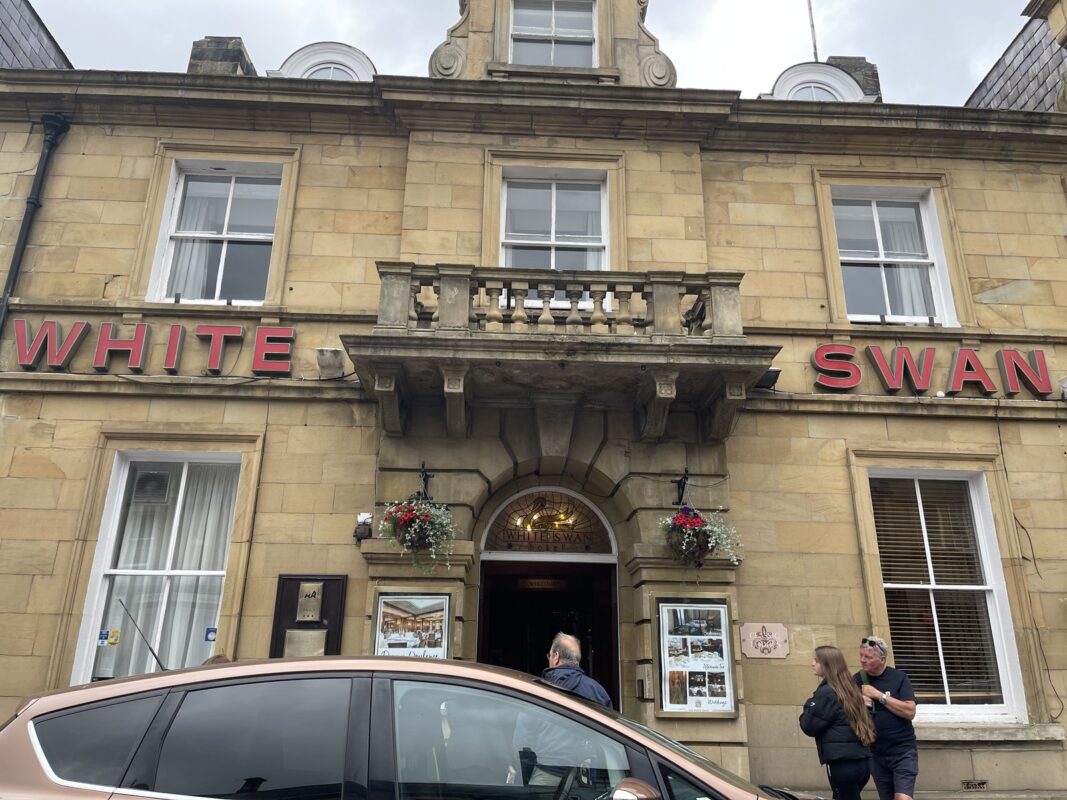
- The White Swan, Alnwick: a 300-year-old coaching inn in the middle of town, with free parking behind. Its dining room has panelling, a ceiling, and stained glass from RMS Olympic, the Titanic’s sister ship.
- The Hog’s Head Inn, Alnwick: on the edge of town, with free parking.
- The Sunningdale, Bamburgh: a small hotel a short walk from the castle and the Grace Darling Museum, with free parking.
Hexham and Hadrian’s Wall (nights 3 and 4)
- Langley Castle: a real 14th-century castle hotel near Haydon Bridge, with seven-foot-thick walls and free parking. It’s about 20 minutes from Housesteads.
- Walwick Hall: a country house hotel and spa at Humshaugh, close to the Wall, with free parking.
- Rye Hill Farm: a B&B on a working sheep farm at Slaley, about 15 minutes south of Hexham, with free parking.
Durham (nights 5 and 6)
- The King’s Lodge Inn: free car park at the back, and about a 10-minute walk to the cathedral.
- Radisson Blu Durham: on the river, with a paid car park on site and a 10-minute walk to the cathedral.
Park once for both nights in Durham and walk everywhere. Beamish is a 20-minute drive from either hotel.
For more places to stay on the coast and inland, see our guide to the best places to stay in Northumberland.
Best time for a North East road trip
May, June and September are the best months. Everything is open, the days are long, the puffins are on the Farne Islands from May to July, and in September the schools are back so it’s quieter. July and August are the school holidays, so the coast is at its busiest and the car parks fill early.
From late October to late March, Alnwick Castle is closed, Beamish opens fewer days and it’s dark by about 4pm in December, so this route works best between April and early October.
Driving tips for this route
- North of Morpeth, the A1 has long single-carriageway stretches, so allow extra time on Day 1.
- The Military Road along Hadrian’s Wall is full of blind dips. Take it steady.
- Get to Bamburgh and Seahouses before 10am in summer. The car parks take coins and PayByPhone.
- Fill up with fuel in Alnwick or Hexham before heading into the hills.
Our Northumberland travel guide has more on driving, what to pack and what to eat.