
UK Route Planning: How to Build a Route That Actually Works
UK Route Planning: Turning a Map into a Reality
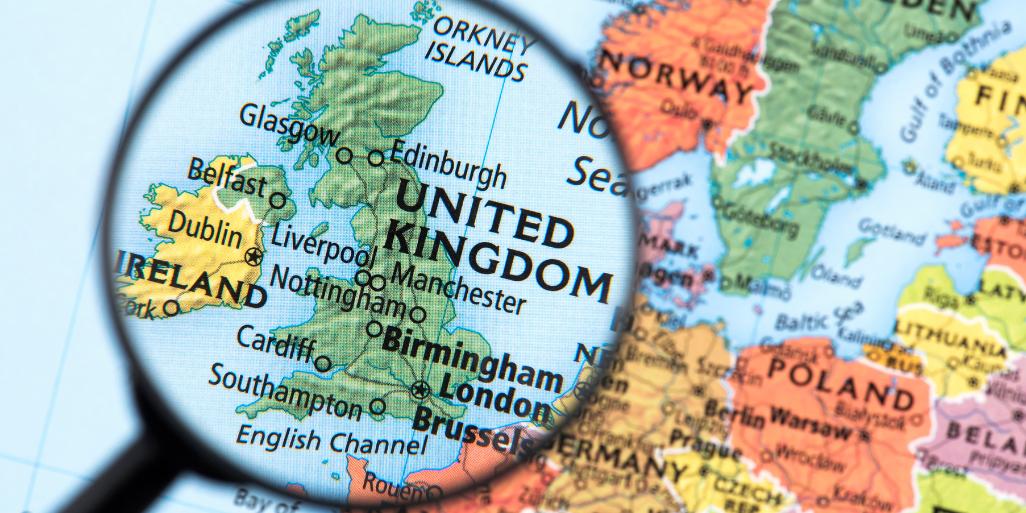
Many visitors planning a visit to the UK think route planning is easy: it’s a small country so it’s easy to see everything you want to see in a short time. Right? Wrong.
The UK may look small on a map, but your travel days may involve congested urban traffic, narrow rural roads, limited parking and time consuming transport connections. Throw sightseeing fatigue and multiple accommodation changes into the mix and your dream holiday could soon feel like a slog.
To build a route that suits you, you need to look beyond the map and understand what travel is actually like in the UK and, as UK travel experts, you’ll get the best advice from us. We’ll help you plan the perfect UK itinerary and avoid common traveller mistakes.

1. Why “Short” Distances Take Longer
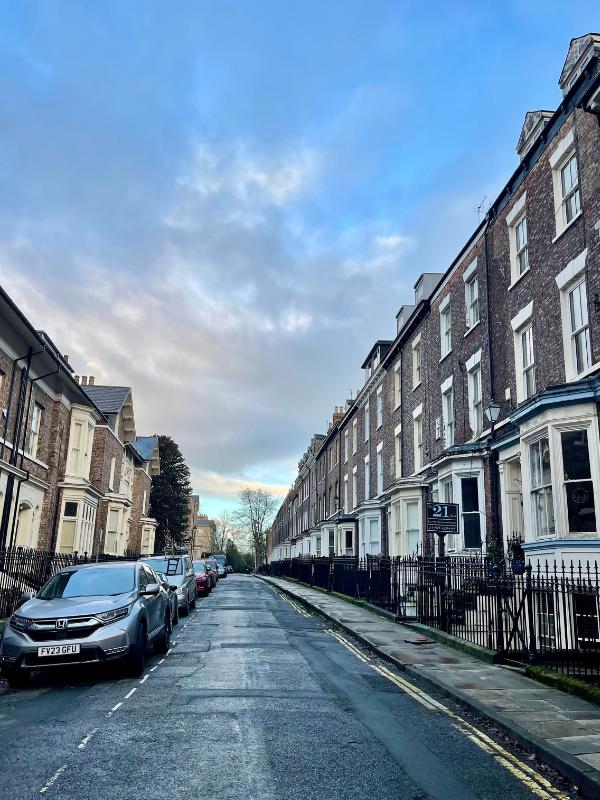
One of the biggest surprises for first-time visitors to the UK is that a short line on a map does not equal a quick trip.
- The “Hidden” Time: A journey that looks like a two-hour transfer is rarely just that. Packing up, checking out, finding your parked car or getting to the rail station, navigating a new city, and then checking in and unpacking can easily consume most of your day – and that’s without the two-hour transfer in between!
- Rail infrastructure: Regional train services have limited timetables and can be slow with multiple stops. You’ll also need to leave adequate time to arrive at the station before your departure time, particularly if you have lots of luggage.
- Driving issues: Drivers will find UK urban roads congested whilst rural roads are often narrow and winding. Long journeys will require rest stops as busy UK roads require tiring levels of concentration. Plus,if you hit a traffic jam or get stuck behind a tractor, your UK road trip will take even longer!
For example, driving from London to York looks like a short journey on a map, particularly if you are used to long straight road driving in Australia or the U.S.
In reality, it takes around 5 hours (and often longer). If you’re planning to drive from London to Cornwall (which also looks a short distance on the map) you’ll need to allocate a day due to the lack of major motorways.
2. Prioritise Route Order Over Geography
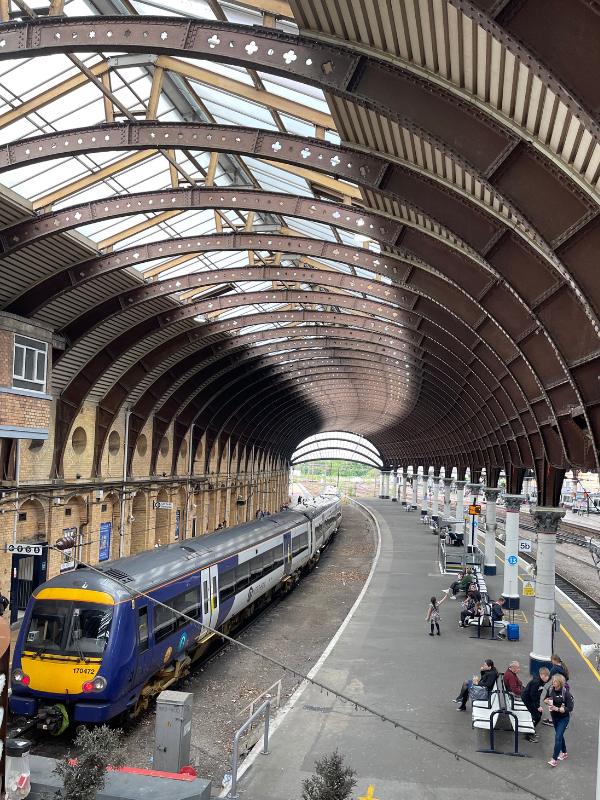
Many people plan by connecting dots that look closest together geographically. However, this isn’t always the most efficient method.
It’s easy to fall into the trap of planning your travel from point to point by a map but when compared to a transport map, your geographical planning may not be the best or quickest route.
- Friction: Breaking point to point UK rail journeys in out of the way locations could mean you are stuck at a station with no facilities whilst waiting for your connection.
- Order matters more than distance. A route that flows logically via major transport lines is always better than one that simply connects the closest geographic points.
- Transport Hubs: The UK rail network radiates out from major hubs (often London). Sometimes, it is faster to go further than you are planning to in order to reach a main line station (and take a regional connection from there) than to try to cut across the country on slow regional lines.
3. Constant one-night stops are time consuming

It is tempting to squeeze in as many locations as possible into your route planning, especially on a first visit to the UK. However, constant movement comes at a cost.
- Every time you move accommodation, you lose time to logistics such as packing, checking in/out.
- Constant moving can be exhausting.
- Multiple accommodation stops mean multiple hours researching where to stay.
Our solution? Slow down. Staying two or three nights in one location allows you to actually see the area, rather than just the inside of a train station or car.
You can use that location as a base for nearby day trips. For example, if you want to visit York and explore further afield in Yorkshire, don’t move accommodation. Use York as a base for your day trips either by hire car or local train and bus.

4. Mixing Transport Types

Many successful UK itineraries involve a mix of trains, driving, and local transport. We feel this offers the ultimate flexibility but you’ll need to be aware of a couple of downsides.
- Switching costs: Moving from a train to a rental car involves accurate timing, luggage management, and paperwork.
- Mental Load: Navigating unfamiliar rail systems one day and driving the next (and on the left side of the road which may be unfamiliar) takes mental energy. It’s doable but we recommend building in buffer time for these transitions.
Our solution? We recommend doing your longest journeys by train – let others take the strain for you whilst you enjoy the views. Explore cities by public transport or on foot and save your car hire for when you are ready to explore rural areas.
How to Reality-Check Your Plan

If your itinerary is drafted but you are second-guessing it, pause and ask yourself these questions
- Are my travel days realistic? Have I accounted for the door-to-door time, not just the station-to-station or departure-to-destination driving time? Have I built in buffer time for unexpected traffic or delays? Do I feel comfortable and confident travelling by train or driving a car?
- Is there flexibility? Does my route plan and itinerary allow for a delayed train, bad weather, or simply being tired? Does it give me flexibility for discovering a hidden gem I didn’t know about in the planning stage?
- Am I rushing? Would cutting one destination make the remaining ones more enjoyable?
If looking at your schedule makes you feel tired or overwhelmed, then living it is going to feel much worse.
Our solution? Don’t be afraid to miss things out. Be realistic in terms of your available time, travel style and mobility. ‘Downtime’ can always be filled if you have the energy but a packed schedule with pre-booked accommodation is much harder to adjust.
When to Seek a Second Opinion
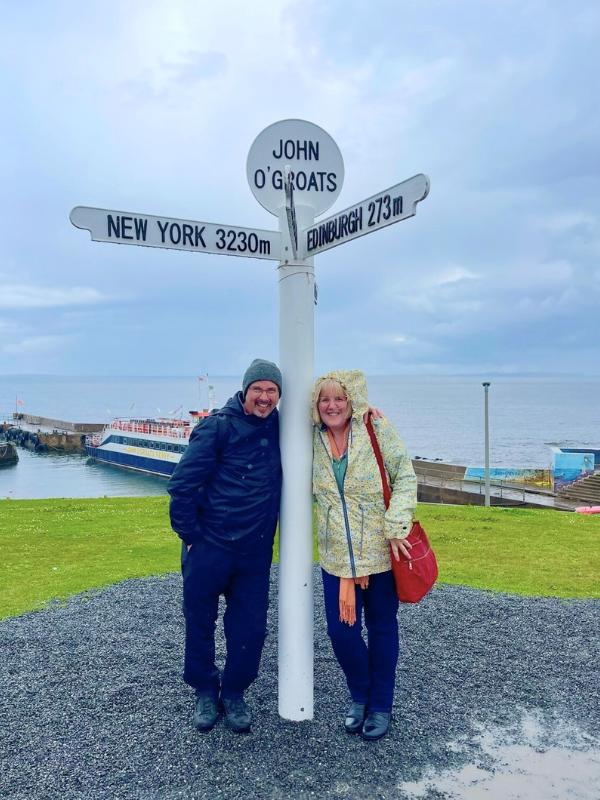
There comes a point in any UK route planning where more internet research does not bring more clarity, just overwhelm. Even asking friends, families or online forums and Facebook groups will generate a mix of recommendations and may eave you confused.
If you feel stuck, it’s time for personalised feedback from UK experts like us!
Here’s how we can help.
Plan Your UK Trip With Expert Help
| Don’t know where to start? | UK Itinerary Planning Challenge: Our tried and tested framework to help you build your perfect UK itinerary step-by-step. |
| Queries about specific train logistics? | UK Train Travel Q&A: We focus purely on which tickets or passes are best for you and the best connections to make. It’s the perfect option for anyone who wants to travel the UK by train. |
Worried about the pacing & flow of your itinerary? | Video Itinerary Review: We will provide expert recorded feedback on your draft route, checking if it’s feasible and makes logical sense.Only UK travel experts like us can provide this personalised insight. |
Want help with everything? | 1:1 Planning Consultation: Our popular, live, 1:1 consultations offer personalized help to shape and refine your itinerary, transport, and pacing. We’ll help you craft the perfect itinerary for you. |
Planning a route in a new destination can be fun but it can also lead to overwhelm and mistakes which could seriously impact your trip.
Follow the tips in this article – or even better, book an expert consultation with us – and you’ll avoid the most common mistakes made by first-time visitors planning a trip to the UK.



![Britain by train – Top 10 UK rail journeys [Maps + tips]](https://uktravelplanning.com/wp-content/uploads/2020/07/Britain-by-train-1-768x384.jpg)