
How Far Ahead to Book for the UK: 2027 Booking Timeline
Wondering how far ahead you should book for the UK? If you are planning a trip for next year, the answer is different for flights, hotels, trains, tours and restaurants, and a few of them cannot be booked yet at all.
Leave the wrong things too late, and it can cost you. Rooms in the centre of popular cities such as Edinburgh and Bath can be booked up months ahead; the Isle of Skye fills up for the summer; the best private guides get booked; and a bank holiday train can turn out to be a replacement bus. Other things you cannot book early at all. Train tickets are a good example, as the cheapest Advance fares are only released six to nine weeks before travel.
Doug has spent more than 25 years working within the UK rail industry, and we plan our own long UK trips from Australia, where we are often based, so this is the order we book things in ourselves.
This guide covers the UK ETA, flights, accommodation, private tours, car hire, train tickets, restaurants and attractions, with how far ahead to book each one. For London, read our guide to how far ahead to book for London.
Good to know: apply for your UK ETA at least three working days before you fly. It costs £20 and you cannot board without it. Our UK ETA guide explains how it works.
FREE: our UK Trip Planning Roadmap takes you through planning your trip step by step, in the order that saves you time, money and stress.
TIP: if you would like someone to check your plans before you book anything big, a UK Itinerary Planning Consultation with us is the place to start.
Your UK ETA
Visitors from the US, Canada, Australia and New Zealand now need an Electronic Travel Authorisation (ETA) before they travel. It costs £20, lasts for two years (or until your passport expires) and covers multiple trips.
Most people get a decision within minutes on the UK ETA app, but apply at least three working days before you fly, because you will not be allowed to board without one.
Apply for your ETA on the official UK government website. Only use the official app or gov.uk, as there are lookalike sites that charge extra. For the full picture, including Europe’s ETIAS, read our guide to the UK ETA.
Flights
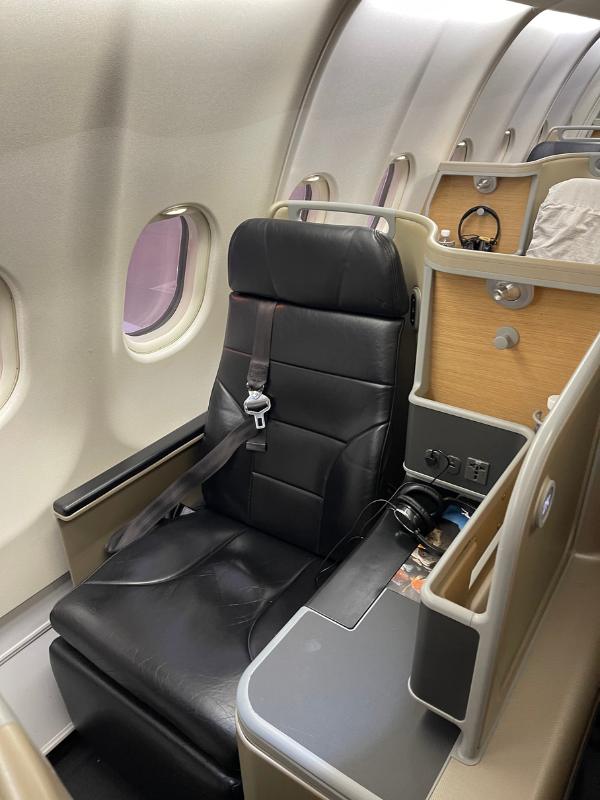
For travel at Christmas, booking your seats as soon as they are released, around 11 months ahead, is the best bet. For a summer trip, around eight months before travel is a good time to book. At other times of year it is hit and miss, but booking between two and eight months ahead is wise, or whenever you see an unbeatable deal.
You can book flights to the UK up to 11 months in advance. Airlines only release so many seats at each fare, and once those sell out, you will generally pay more.
How much you pay depends on how many seats are left and how far ahead you book. If a flight is selling slowly, an airline might release more seats at a lower fare. If it is selling fast, prices go up.
If you are travelling at Christmas, we would book seats as soon as they are released, which is around late January for the following December. Seats sell out so quickly at that time of year that it is best to snap one up while you can.
Summer is also popular, though not quite as busy as Christmas. The best prices are usually a little closer to travel, around eight months before. So if you want to travel to London in July, start looking at flights in the November before.
At other times of year, keep an eye on prices, use comparison sites, and if you see a good fare, book it while you can. Paying a deposit might not guarantee the price, though it should hold the seat, so it is worth checking before you pay.
Accommodation

Book as soon as you know your dates if you want the best-located rooms at the best prices, particularly for July, August and December. You will usually still find somewhere later on, but the central, good-value rooms go first. Many rooms can be booked without paying upfront and cancelled free of charge up to a set time before arrival.
When to book depends mainly on where you want to stay and when.
The busiest times in the UK are July and August, and Christmas and New Year. If you are visiting then, book early for the best prices and the best places.
In cities like London, Glasgow, Bath and Edinburgh, there is usually still availability closer to the time, but the rooms in the best locations at sensible prices go first. The sooner you book, the more choice you have.
When we booked a room in Edinburgh for late May to early June, not the busiest time of year, our choices were already pretty limited four months ahead. In Edinburgh, the festivals in August and Hogmanay (Scottish New Year) are the busiest times of all.
If you want to stay at a famous hotel, or need a particular room type such as a large family room, book earlier still. Top London hotels can fill up very fast, even when a night there costs thousands of pounds.
A platform such as booking.com can help here, because the payment and cancellation policy shows for each room rate. Sometimes you pay when you arrive, and often you can cancel without a fee up to 24, 48 or 72 hours ahead, or a set number of days or weeks before.
For affordable places to stay, we recommend B&Bs (bed and breakfasts). They tend to be small and family-run, with home comforts and a freshly cooked breakfast each morning.
The most popular places to stay in the UK include London, Edinburgh, and parts of Scotland that are too far away for a day trip, such as the Isle of Skye. Skye has very limited accommodation, so if it is on your list, book as soon as you know your dates. Places along the NC500 route in Scotland also book up fast, and Glasgow, Scotland’s biggest city, is popular too.
In England outside London, accommodation books up quickly in the Cotswolds, Bath, Oxford, Cambridge and Stratford-upon-Avon. The more popular the place, the faster the good hotels go.
Private Tours and Guides
The best private guides get booked up early for the summer. If you are thinking about a private tour, start looking as soon as your dates are fixed and build it into your itinerary.
A private guide can make a real difference, especially where public transport is limited, or you want to get off the beaten track. These are some of the private guides we work with and trust:
- Bath: Daniel at Bath Insider Tours
- The Cotswolds: Victoria at Cotswold Teacup Tours
- Devon: Alex at Unique Devon Tours
- The far north of Scotland: Sally-Ann and Robert at North Coast Explorer Tours
You will find more of the guides and tour companies we recommend in our directory of preferred partners.
Car Hire
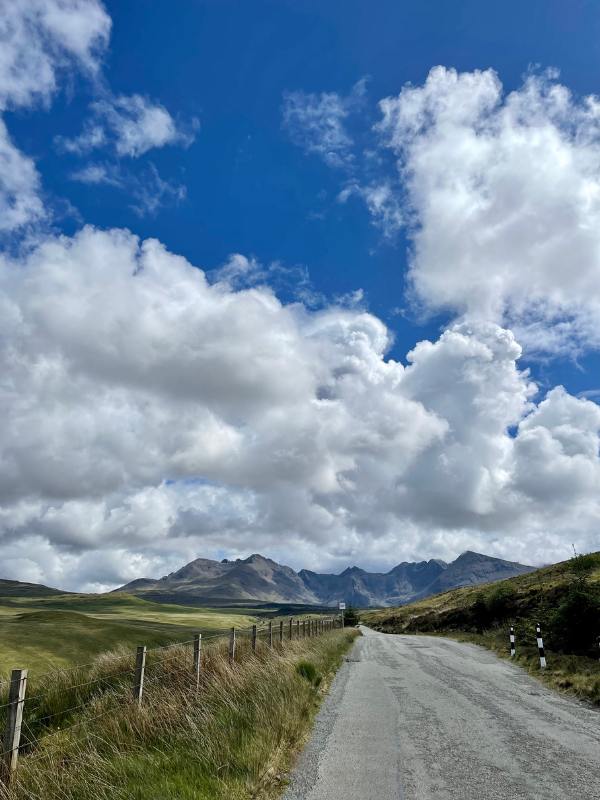
Before booking car hire in the UK, remember that you drive on the left, automatic cars are in short supply, and many car hire offices close on Sundays.
We drive on the left in the UK, so cars here are right-hand drive. That is the opposite of what most overseas visitors are used to, as 163 countries drive on the right compared with 76 on the left. Most of the countries that drive on the left, like Australia, are former British colonies.
What surprises more people is that most British cars are manual. Hire companies stock far fewer automatics, so if you are not used to a gear stick, book an automatic well in advance. Discover Cars is a good place to compare prices and see which companies still have automatics for your dates.
Many car hire offices close on Sundays. This is less common at airports but often the case in towns and cities, so check if you want to collect a car on a Sunday.
A few months before you go, the Tripiamo course is a great way to prepare for driving in the UK.
Train Tickets
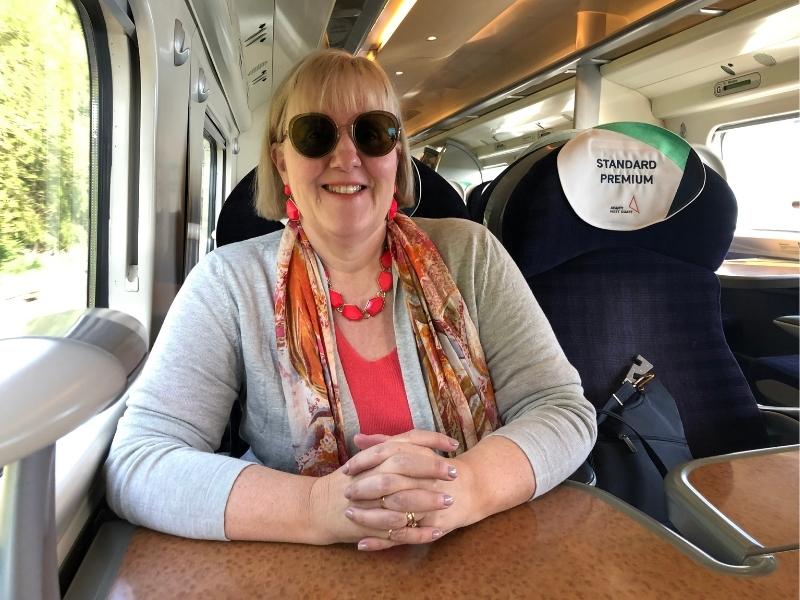
For the best deals on train tickets within the UK, book as soon as Advance fares go on sale, usually six to nine weeks before travel. For London transport within the city, you do not need to book ahead.
Some train tickets cost the same on the day as they do in advance, generally for journeys within a city or local area. For longer journeys, you will usually pay less the further ahead you book.
London transport fares, for example, do not change according to when you pay. Before visiting London, decide whether to use an Oyster card or go contactless.
Long-distance journeys between London and other cities, such as London to Edinburgh, are different. The cheapest fares are the ones booked in advance.
Train ticket options include Advance fares, which are the cheapest, particularly if you are happy to commit to a ticket that cannot be changed or refunded.
You will also come across Off-Peak and Anytime fares. If you can travel outside the busiest times, such as the morning rush hour and when offices close, Off-Peak tickets can save you money. Anytime tickets let you travel whenever you want, and that flexibility means they cost more.
Booking weeks in advance will usually get you the best discounts, but even booking the day before can save you a significant sum.
A railcard can save you a third on most fares, and visitors can buy one too. The Senior Railcard is for anyone aged 60 or over, and the Two Together Railcard covers two named adults travelling together. If you are taking more than a couple of long train journeys, one usually pays for itself. Find out more about railcards here.
We avoid travelling at peak times unless we have to, because tickets cost more and seats fill up with commuters. Weekends and bank holidays need a little more care, as that is when most engineering work happens, and your train can turn into a replacement bus. This can catch a lot of visitors out. Before you fix your train days, check the UK bank holiday dates and look up any planned engineering works on your route on the National Rail website.
When you book online, you will often be offered a seat reservation. It is well worth taking, so you do not have to stand the whole way.
If you would like help planning the train side of your trip, you can book a train travel Q&A with Doug.
Check out our Train Travel Hub for everything you need to know for rail travel in the UK
Restaurants

For very popular and Michelin-starred restaurants, you will need to book ahead, though often only a few weeks or months before. Elsewhere, booking is advised, and many UK restaurants also take walk-ins when they have space.
You can walk into many UK restaurants without a booking and be seated straight away or after a short wait. For the most popular places, you will need to book weeks or months before.
If you want to dine or have afternoon tea somewhere special, check the booking policy as early as you can. Some places don’t take bookings more than two or three months ahead, so note when their bookings open. If you miss out, it is worth trying again a day or two before, as cancellations are quite common.
Friday and Saturday evenings and Sunday lunchtimes are the busiest, and a Sunday roast at a popular London pub is one to book well ahead. Weekdays tend to be quieter, both at lunch and in the evening.
If you want to dine out in style, we recommend booking lunch rather than dinner where you can. Lunch menus are often cheaper and tables are easier to get, even at fine dining restaurants.
Afternoon tea is a lovely way to spend time at a top hotel without paying what you would to dine or stay there. It is a favourite British tradition, so the popular places book up quickly. To book afternoon tea at a top London hotel, contact the hotel directly through its website, by email or on social media.
If you have your heart set on somewhere specific, book as far ahead as they allow. Even at regular chain pubs and restaurants, a booking puts you ahead of the walk-ins.
Tourist Attractions and Tours
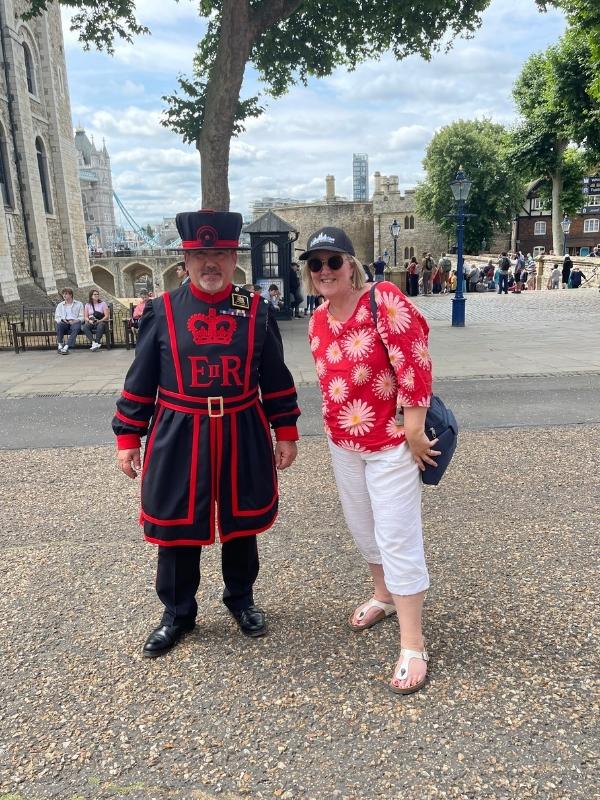
For top UK attractions on specific dates or in peak periods, book as early as you can. Even booking the day before can make the difference between getting in and a wasted journey.
How far ahead you need to book depends on when you travel and how popular the attraction is. The earlier you book, the better your chances.
Summer (July and August in particular) and December are the busiest months. The UK school holidays add to it, as families head out on day trips. The summer holidays usually run from around 20 July to early September.
Lots of museums in the UK are free, and you can just walk in. For busy dates or special exhibitions, though, booking online in advance is a good idea, and a few days before is usually fine.
When one of our team visited Cadbury World in Birmingham during the February half-term holiday, the attraction was only accepting advance tickets. That was a Monday in February, in a city that is not one of the UK’s most touristy.
Buying tickets in advance through Get Your Guide or Viator often means you can cancel for a full refund, usually up to 24 hours before, so there is little to lose by booking early. Both also often offer skip-the-line entry, which saves you from queueing when you arrive.
Organised day trips work the same way. The popular ones can book up well ahead, but booking through Viator or GetYourGuide secures your place, and you can usually cancel for a full refund with enough notice. Check the conditions when you book so you know where you stand.
The Most Popular UK Tourist Attractions
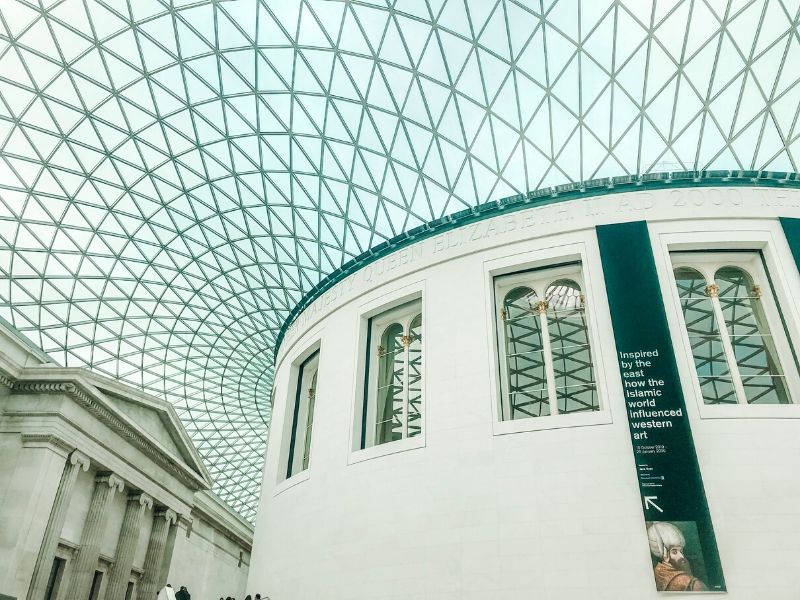
Eight of the UK’s ten most visited attractions are in London. Beyond the capital, the busiest are in Windsor, Edinburgh and Glasgow, along with RHS Wisley in Surrey and Stonehenge in Wiltshire.
Figures from the Association of Leading Visitor Attractions (ALVA) show 165 million visits to its 409 member attractions in 2025, up 2% from the previous year.
The Natural History Museum took the top spot with more than 7.1 million visits, a record for the museum. The British Museum came second with 6.4 million, followed by Windsor Great Park with almost 5 million, then Tate Modern and the National Gallery. The Tower of London had 2.8 million visits, and Edinburgh Castle just over 2 million.
In Scotland, the National Museum of Scotland was the most visited attraction, with 2.3 million visits.
Weekends and school holidays are the busiest times at all of them, so if you can visit midweek in term time, you will find them less crowded.
Where museums are free, that applies to general entry, and special events and exhibitions may be paid. The official website will tell you whether booking ahead is necessary or recommended.
Guided tours aren’t essential, but a local expert can really enhance a visit. They make sure you do not miss anything and explain what you are seeing.
London
- Natural History Museum | Free | Book in-app audio tour here
- The British Museum | Free | Book guided tour here
- Tate Modern | Free | Book a guided tour here
- The National Gallery | Free | Book guided tour here
- Victoria and Albert Museum | Free | Book private guided tour here
- Somerset House | Free | Buy a Courtauld Gallery ticket here
- Tower of London | Paid | Buy tickets here
- Science Museum | Free | Book guided tour here
Find out more about which London attractions to book in advance in our complete guide to booking ahead for London.
Outside London
- National Museum of Scotland, Edinburgh | Free | Info on free guided tours here
- Edinburgh Castle, Edinburgh | Paid | Book guided walking tour with entry ticket here
- National Gallery of Scotland, Edinburgh | Info on free guided tours here
- Windsor Castle, Windsor | Paid | Buy tickets here
- RHS Garden Wisley, Woking | Paid | Buy tickets here
- Stonehenge | Paid | Buy tickets here
- Kelvingrove Art Gallery and Museum, Glasgow | Free | Buy hop-on, hop-off bus ticket here (stops at Kelvingrove)
- Riverside Museum, Glasgow | Free | Buy hop-on, hop-off bus ticket here (stops at Riverside)
- Roman Baths and Pump Room, Bath | Paid | Book guided walking tour with entry ticket here
Your UK Booking Order
This is the order we book things in for our own UK trips:
- Flights, up to 11 months ahead, and as soon as they are released for Christmas.
- Accommodation, as soon as you know your dates for the widest choice, especially for London, Edinburgh, Bath, the Cotswolds and the Isle of Skye.
- Private guides and small group tours, once your dates are fixed.
- Car hire, early if you need an automatic.
- Restaurants and afternoon tea, two to three months ahead for the popular places.
- Train tickets, once Advance fares go on sale six to nine weeks before travel, checking for engineering works if you are travelling at a weekend or on a bank holiday.
- Attraction tickets, weeks ahead for busy dates, and a few days ahead for most museums.
- Your UK ETA, at least three working days before you fly.
It is not all about London, either. Bath, Edinburgh and Glasgow are just as busy in peak season, as are Stonehenge, Windsor and RHS Wisley. A little forward planning saves you money on your UK trip, and time once you arrive.
Want the whole planning process in order, not just the bookings? Our free UK Trip Planning Roadmap takes you step by step from first ideas to final bookings.
Not sure what to book first? In a UK Itinerary Planning Consultation, we go through your plans with you before you book anything big, so you avoid costly mistakes.

![Britain by train – Top 10 UK rail journeys [Maps + tips]](https://uktravelplanning.com/wp-content/uploads/2020/07/Britain-by-train-1-768x384.jpg)